Top Herb Gardening Mistakes and How to Avoid Them Easily!
Avoiding critical herb gardening mistakes is the fastest way to transform struggling seedlings into a resilient, high-yielding kitchen garden. Many growers assume all culinary greens share identical environmental preferences, which leads directly to root stress, stunted foliage, and diluted aromatic oils.
Understanding the unique botanical profiles of different plant families prevents common cultivation errors. Designing an optimal environment tailored to each species will maximize your culinary harvests throughout the growing season.
Variety Selection and Core Differences
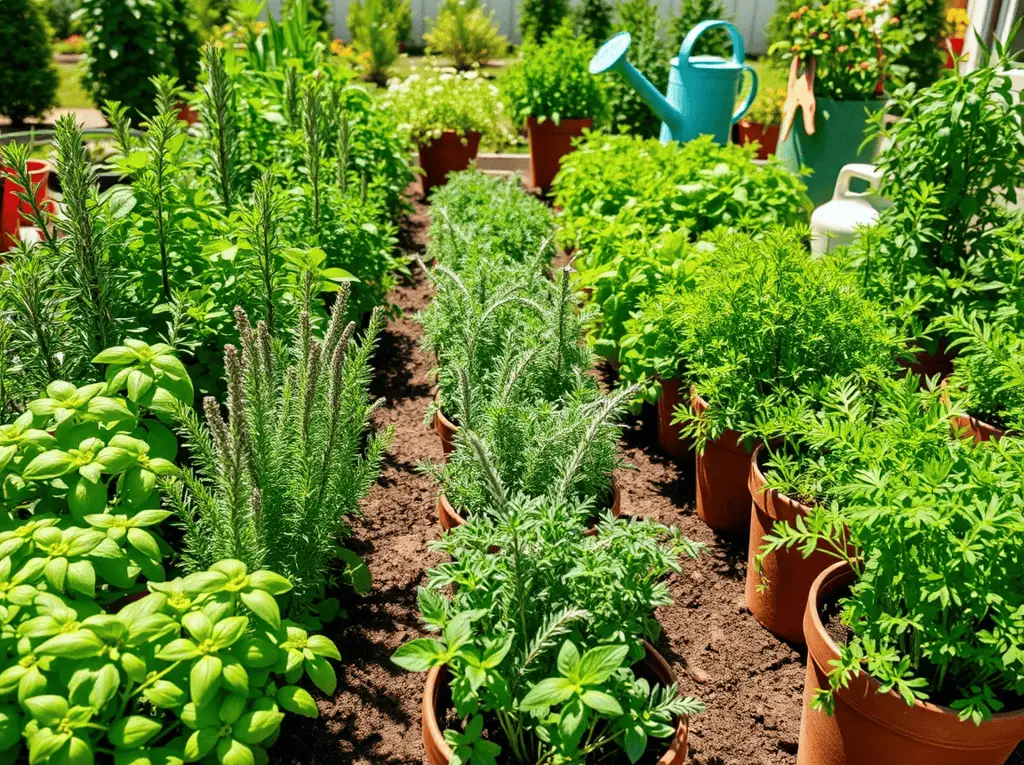
Herbs originate from vastly diverse native biomes across the globe. Mediterranean perennials such as rosemary, thyme, oregano, and winter savory evolved in arid, rocky terrain with low nutrient density. In contrast, tender annuals and biennials like basil, cilantro, and parsley require rich, moisture-retentive conditions to generate lush vegetative growth.
A widespread misconception among beginner gardeners is that cross-pollinating related plants in the same bed alters the taste of the current crop. Scientifically, cross-pollination only alters the genetic composition of the seeds produced for the next generation. The current season’s foliage retains its true botanical flavor profile regardless of nearby companion cultivars.
- Mediterranean perennials: Low moisture requirements, high heat tolerance, minimal feeding needs.
- Tender annuals: Consistent moisture needs, moderate feeding requirements, high frost sensitivity.
- Moisture-loving perennials: High water demand, rapid root spreading, cool soil preference.
Location and Soil Setup
Solar exposure and substrate physics dictate overall plant vigor. Sun-loving herbs require at least six to eight hours of direct sunlight daily to synthesize high concentrations of aromatic terpenes. Delicate herbs like chervil and mint perform best with light afternoon shade to prevent leaf scorch.
Substrate composition must match the planting container or garden bed. For container systems, you must strictly use a light, soilless potting mix and never use native garden topsoil or dense outdoor loam. For outdoor in-ground beds, incorporate organic amendments into your native soil such that compost never exceeds 40 percent of total soil volume.
- Container blend: 60 percent peat moss or coco coir, 20 percent coarse perlite, 20 percent screened compost.
- In-ground ratio: 60 percent native topsoil amended with a maximum of 40 percent organic matter.
- Drainage standard: Containers must feature functional bottom drainage holes to prevent anaerobic root zone conditions.
Aggressive rhizomatous herbs like mint demand strict physical containment. Sinking an open-bottom barrier into garden soil fails completely because creeping rhizomes dive under shallow walls within two seasons. True containment requires planting mint in an entirely intact, standalone pot with drainage holes or installing a continuous, solid root barrier at least eighteen inches deep.
Spacing and Planting Guidelines
Overcrowding root networks reduces airflow and promotes foliar fungal blights like powdery mildew. Give standard Mediterranean shrubs eighteen to twenty-four inches of lateral clearance. Compact annuals such as parsley and chives require six to eight inches between individual crowns.
Seed sowing depth must be tailored precisely to the seed size and germination mechanics of each botanical species. Large seeds like cilantro require a true quarter-inch soil burial to stay moist and anchored. Small, light-triggered seeds like basil and chamomile must be surface-sown completely uncovered so light can penetrate the seed coat.
- Cilantro seed depth: Sow precisely 0.25 inches deep in moistened substrate.
- Basil and chamomile seed depth: Press gently onto the surface, leaving seeds fully exposed to ambient light.
- Parsley seed depth: Sow 0.125 inches deep and maintain steady humidity for up to three weeks.
Indoor growers can utilize the thigmomorphogenesis technique as an effective structural hack. Gently brushing your open hand across the top foliage of indoor seedlings for thirty seconds daily simulates natural outdoor wind patterns. This mechanical stimulation triggers internal hormonal releases that thicken primary stems and prevent leggy growth.
Watering and Nutritional Protocols
Improper hydration is a leading cause of herb decline. Mediterranean varieties should dry out substantially, requiring the top two inches of soil to become dry before deep watering. Tender leafy herbs require evenly moist soil that feels like a wrung-out sponge.
Over-fertilizing herbs with high-nitrogen fertilizers results in rapid, weak vegetative growth that significantly dilutes essential oil concentrations. Feed actively growing container herbs with an organic, balanced liquid fertilizer diluted to half strength every three to four weeks. In-ground plantings generally require only an annual top-dressing of compost in the early spring.
- Mediterranean watering threshold: Allow top two inches of soil to dry completely between cycles.
- Tender annual watering threshold: Water when the top half-inch of soil feels dry to the touch.
- Container nutrient ratio: Apply half-strength balanced 5-5-5 organic liquid nutrients monthly during active growth.
Harvesting and Storage
Proper harvesting stimulates lateral branch development and delays flowering. Never harvest more than one-third of a plant’s total foliage at one time to avoid stalling photosynthesis. Always make clean cuts directly above an active leaf node using sanitized shears to trigger bushier growth.
Regularly pinch off emerging flower buds on annuals like basil and cilantro as soon as they form. Flowering shifts the plant’s hormonal focus from leaf growth to seed production, resulting in coarse, bitter foliage.
- Harvest limit: Maximum 33 percent of total green canopy removed during a single cutting session.
- Pruning location: Exactly 0.125 inches above a healthy, double-leaf node junction.
- Sanitation protocol: Submerge freshly cut leaves in cold water, rinse away all grit, and dry thoroughly with a salad spinner or clean paper towels to eliminate soil-borne bacteria.
Store cleaned, completely dried herbs based on their stem structure. Place soft, tender stems like parsley and cilantro upright in a glass containing one inch of clean water inside the refrigerator. Wrap woody herbs like rosemary and thyme in dry paper towels, seal them in an airtight container, and store them in the crisper drawer.