How to Grow Citronella: Complete Guide to Mosquito Control!
Mastering how to grow citronella allows home gardeners to cultivate fragrant, vigorous greenery that brings structural beauty to outdoor living spaces. These fast-growing botanical specimens thrive when provided with warm temperatures, loose soil, and consistent sunshine.
While many homeowners purchase these plants under the assumption that they automatically deter insects, successful cultivation requires understanding their biology. Providing the correct cultural conditions ensures your plants remain healthy and productive all season long.
Variety Selection and Core Differences
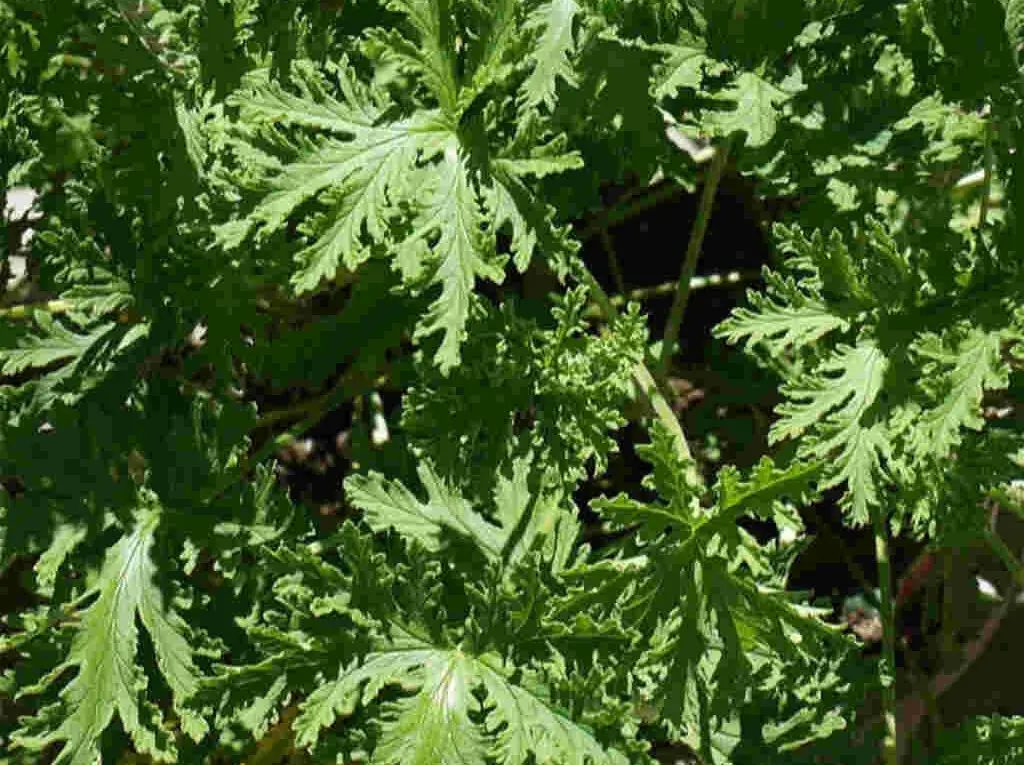
Gardeners must first distinguish between the two distinct plants sold under the common name citronella. The most common garden center specimen is the citronella geranium, botanically classified as Pelargonium citrosum. The authentic commercial source of natural citronella oil is tropical clumping grass, specifically Cymbopogon nardus or Cymbopogon winterianus.
A widespread gardening myth claims that setting intact potted citronella around a patio creates a passive insect barrier. University research confirms that intact leaves release virtually zero aromatic compounds into the surrounding air. The volatile insect-repelling compounds, mainly citronellal and geraniol, remain locked inside the plant cells until foliage is crushed or distilled.
Selecting the correct specimen depends entirely on your climate and aesthetic goals:
- Citronella grass (Cymbopogon nardus): Forms large arching clumps up to six feet tall with thick, fibrous stems.
- Citronella geranium (Pelargonium citrosum): Bushy perennial reaching three feet tall with deeply lobed, lacy leaves.
- Hardiness rating: Citronella grass thrives in USDA zones 10 through 12, whereas citronella geraniums overwinter in zones 9 through 11.
Location and Soil Setup
Citronella requires a warm, sheltered location that receives at least six to eight hours of direct sunlight daily. Plants grown in insufficient light quickly become leggy and produce weaker concentrations of aromatic foliage.
Soil requirements depend heavily on whether you plant in raised beds or patio planters. When using containers, you must plant in a loose, premium soilless potting mix and strictly avoid using dense native topsoil or garden loam, which suffocates roots and causes fungal root rot. For in-ground garden beds, establish a well-drained loam base where organic amendments never exceed 40 percent of total soil volume.
Use this structural blueprint for container and bed soil blends:
- Soilless container base: 50 percent peat moss or coco coir for moisture regulation.
- Drainage amendment: 30 percent coarse perlite or pumice to facilitate rapid drainage.
- Organic booster: 20 percent screened compost or worm castings for biological fertility.
- Target soil pH: Maintain a slightly acidic to neutral range between 6.0 and 7.0.
Spacing and Planting Guidelines
Proper spacing prevents stagnant air pockets that foster powdery mildew and bacterial leaf spot. Citronella grass requires a generous planting distance of three to five feet between individual root crowns. Citronella geraniums need eighteen to twenty-four inches of open space between plants to allow bushy side branching.
If growing from seed, pay close attention to seed size and light requirements. Large seeds require a true quarter-inch soil burial, while tiny, light-triggered herb seeds must be surface-sown completely uncovered. Citronella geraniums are best propagated from softwood stem cuttings taken in late spring.
An effective backyard hack involves rooting cuttings in aerated water before potting:
- Stem cutting length: Select healthy four-inch terminal shoots without flower buds.
- Node preparation: Strip the bottom two sets of leaves to expose the active growth nodes.
- Callus formation: Allow cut ends to air-dry for thirty minutes to prevent basal rot before planting.
- Rooting medium: Insert prepared stems into sterile, moist perlite until vigorous roots form.
Watering and Nutritional Protocols
Citronella thrives under a soak-and-dry irrigation routine that mimics natural tropical drying cycles. Allow the top two inches of soil to dry out completely before applying water thoroughly until excess moisture drains away. Saturated root zones quickly lead to yellowing lower leaves and stem rot.
Nutritional management requires a delicate balance to preserve essential oil strength. Applying excessive synthetic nitrogen fertilizers stimulates rapid foliage growth while diluting the concentration of aromatic terpenes in the leaves.
Follow these balanced feeding and moisture metrics:
- Irrigation frequency: Water every four to seven days depending on ambient summer heat.
- Fertilizer type: Apply a balanced 10-10-10 organic liquid fertilizer or fish emulsion.
- Feeding cadence: Apply nutrients at half strength every four weeks during active vegetative growth.
- Winter dormancy protocol: Suspend all supplemental feeding from mid-autumn until early spring.
Harvesting and Storage
Harvest citronella foliage in the early morning after dew evaporates but before intense midday heat vaporizes the natural oils. Use clean bypass pruners to cut mature outer leaves or grass culms, leaving the central growing crown untouched.
Food safety sanitation is critical whenever processing fresh garden foliage for topical infusions or aromatic crafts. You must thoroughly wash the fresh harvest under clean running water and dry the leaves completely with a salad spinner or paper towels to eliminate soil-borne bacteria before packing or storing.
To preserve the foliage for botanical sprays, oil infusions, or aromatic sachets, use these processing steps:
- Harvest threshold: Gather no more than one-third of the total foliage mass at a single time.
- Dehydration method: Hang tied bundles upside down in a dark, well-ventilated room for two weeks.
- Oil infusion technique: Pack bone-dry, crushed leaves into a clean jar and cover completely with warm jojoba or sweet almond carrier oil.
- Storage environment: Store finished infusions and dried leaves in airtight amber glass jars away from direct sunlight.