Herb Companion Planting Chart You’ll Actually Use!
Utilizing a reliable herb companion planting chart is the ultimate strategy for transforming a basic backyard layout into a highly productive ecosystem. By matching specific botanical profiles, you naturally repel destructive pests while improving the flavor of your favorite vegetables.
Master horticulturists and active members of online gardening communities rely on these biological partnerships to eliminate harsh chemical pesticides. This guide will walk you through the exact methodologies required to establish a thriving garden space.
Variety Selection and Core Differences
Successful companion planting relies entirely on understanding the biological traits of your chosen crops. A classic pairing verified by backyard growers on r/herbgardening involves planting basil directly alongside tomatoes to deter hornworms and enhance fruit flavor. Conversely, you must isolate fennel completely away from your vegetable beds, as it produces allelopathic chemicals that stunt surrounding plants.
It is critical to debunk the widespread myth that all aromatic herbs act as universal pest repellents. While dill and cilantro are frequently praised, veteran growers know they actually function as trap crops. These specific varieties attract aphids away from your main harvest rather than repelling them entirely.
When selecting your roster, pay close attention to root structures. Deeply rooted options break up compacted earth, while low-growing thyme acts as a living mulch to suppress aggressive weeds.
🌿 Herb Companion Planting Chart
Find the best herbs to plant together, what to keep apart, matching sun and moisture needs, and the practical reason behind each pairing.
| 🌿 Herb | 🤝 Good Companions | 🚫 Keep Apart / Use Caution | ☀️ Sun | 💧 Moisture | 🌱 Why Plant Together? | 📏 Typical Spacing | 💡 Garden Tip |
|---|---|---|---|---|---|---|---|
| Basil Ocimum basilicum |
Tomatoes Peppers Eggplant Marigolds |
No major universal exclusion, but avoid overcrowding. | 6–8+ hrs | Moderate | Similar warm-season growing conditions make basil a practical companion for tomatoes and peppers. Its strong scent may also make the area less attractive to some insects, although pest control claims are not universal. | 12–18 in | Pinch flower buds regularly to keep plants producing tender leaves. |
| Chives Allium schoenoprasum |
Carrots Lettuce Tomatoes Roses |
Avoid planting directly into crowded root zones. | 6+ hrs | Moderate | Compact growth makes chives useful around the edges of beds. Their flowers also provide a food source for pollinating insects. | 8–12 in | Cut foliage several inches above the soil to encourage fresh growth. |
| Cilantro Coriandrum sativum |
Lettuce Spinach Peas Beans |
Avoid very hot, dry locations once summer temperatures rise. | 4–6+ hrs | Moderate | Small flowers attract beneficial insects. Cilantro also fits well beside cool-season vegetables because it grows quickly. | 6–10 in | Sow small batches every few weeks for a longer harvest. |
| Dill Anethum graveolens |
Cucumbers Lettuce Onions Brassicas |
Avoid relying on dill as a universal pest repellent. | 6–8 hrs | Moderate | Dill flowers attract many small beneficial insects, including predatory and parasitic insects. It can be especially useful when allowed to flower near vegetables. | 12–18 in | Leave some plants to flower instead of harvesting every stem. |
| Mint Mentha spp. |
Containers Moist garden edges Pollinator areas |
Most open garden beds | 4–6+ hrs | Moderate–High | Mint can attract pollinators when flowering, but its aggressive spreading habit is the bigger garden concern. | Container preferred | Grow mint in a container or dedicated contained bed to limit spreading rhizomes. |
| Rosemary Salvia rosmarinus |
Sage Thyme Oregano Lavender |
Moisture-loving herbs | 6–8+ hrs | Low | Rosemary fits naturally with Mediterranean herbs that prefer bright light and sharply drained soil. | 24–36 in | Let the soil dry between waterings. Poor drainage is a bigger problem than lack of fertilizer. |
| Sage Salvia officinalis |
Rosemary Thyme Oregano Lavender |
Wet soil and heavy irrigation | 6–8 hrs | Low–Moderate | Similar drainage and light requirements make sage easier to grow beside other Mediterranean herbs. | 18–24 in | Avoid planting sage where irrigation keeps the soil constantly wet. |
| Thyme Thymus vulgaris |
Rosemary Sage Oregano Lavender |
Wet, poorly drained beds | 6–8 hrs | Low | Its low-growing habit makes thyme useful along bed edges and in dry herb gardens. It can also cover bare soil as it spreads. | 12–18 in | Trim lightly after flowering to maintain a compact shape. |
| Oregano Origanum vulgare |
Tomatoes Peppers Eggplant Mediterranean herbs |
Constantly wet soil | 6–8 hrs | Low–Moderate | Oregano tolerates the same sunny, relatively dry conditions as many Mediterranean herbs and provides flowers that attract insects. | 18–24 in | Harvest stems before flowering for tender culinary leaves, or allow some flowers to open for pollinators. |
| Parsley Petroselinum crispum |
Tomatoes Asparagus Carrots Beans |
Avoid severe crowding around the crown. | 4–6+ hrs | Moderate | Parsley works well with vegetables that appreciate evenly moist soil. Its flowers can also attract beneficial insects after bolting. | 8–12 in | Keep harvesting outer stems so the plant continues producing. |
| Tarragon Artemisia dracunculus |
Eggplant Peppers Tomatoes Mediterranean herbs |
Avoid saturated soil. | 6–8 hrs | Moderate–Low | Tarragon prefers a sunny site with good drainage, making it a practical match for other herbs with similar requirements. | 18–24 in | French tarragon is usually propagated from cuttings rather than seed. |
| Lemon Balm Melissa officinalis |
Containers Pollinator gardens Moist garden edges |
Uncontained beds | 4–6+ hrs | Moderate | Lemon balm is attractive to pollinators and tolerates a range of garden conditions, but it can spread quickly. | 18–24 in | Remove spent flowers before they produce seed if you want to limit unwanted seedlings. |
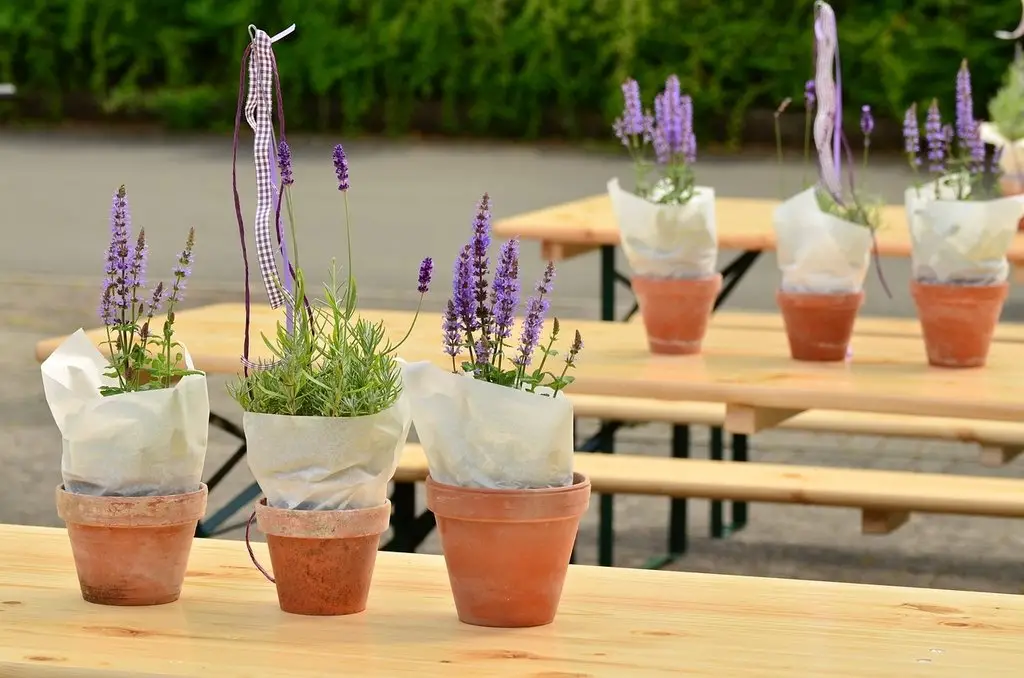
| Lavender Lavandula spp. |
Rosemary Sage Thyme Oregano |
Wet soil / frequent irrigation | 6–8+ hrs | Low | Lavender shares the bright light and fast-draining soil preferred by other Mediterranean herbs. | 18–30 in | Air circulation is important. Give mature plants room instead of packing them tightly together. |
| Fennel Foeniculum vulgare |
Dedicated herb area Pollinator garden |
Most vegetables and herbs | 6–8 hrs | Moderate | Fennel is better treated as a separate planting because it grows large and has a reputation for inhibiting nearby plants through chemical compounds. Keeping it separate also avoids competition for space. | 18–24+ in | Plant fennel where it can stay in its own section rather than placing it in the middle of a mixed vegetable bed. |
☀️ Group by Sun
Rosemary, thyme, sage, oregano and lavender make a natural dry-herb group because they generally prefer bright light and well-drained soil. Basil also wants plenty of sun, but it prefers more consistent moisture.
💧 Group by Water
Parsley, cilantro, chives and many leafy herbs are easier to manage when grouped where irrigation can keep the soil moderately moist. Don’t force drought-loving herbs into the same watering zone.
🌱 Watch the Spread
Mint and lemon balm can become garden bullies. Containers or dedicated areas make them much easier to control than planting them directly among slower-growing herbs.
Location and Soil Setup
Your growing environment dictates the exact structural blueprint of your soil foundation. If you are growing herbs in balcony containers or indoor pots, you must explicitly use a loose, premium soilless potting mix. You are strictly forbidden from using native topsoil or loam inside containers, as this causes lethal compaction.
For outdoor raised beds, you need a structurally sound medium that balances drainage with nutrient retention. Integrate a strict loam-based soil blueprint where organic amendments never exceed forty percent of the total volume.
Achieve the optimal raised bed environment using these exact ratios:
- 60 percent mineral topsoil for structural integrity
- 30 percent high-quality organic compost for nutrition
- 10 percent coarse perlite or river sand for drainage
Mediterranean natives like rosemary and thyme demand well-drained earth and intense sunlight. Pairing these drought-tolerant varieties with moisture-loving crops in heavy earth will immediately result in fatal root rot.
Spacing and Planting Guidelines
Proper seed starting prevents aggressive competition for canopy light and underground nutrients. While utilizing cold stratification for lavender is not a strict biological requirement, it is a heavily recommended best practice that improves germination consistency.
Seed depth dictates your early success rate. Tiny seeds from the Lamiaceae family require direct light to trigger germination. Surface sow these seeds or press them no deeper than one eighth of an inch into the substrate.
Follow these strict spacing guidelines for mature plant development:
- 12 to 18 inches of space between mature basil plants
- 8 to 10 inches of space for bunching chives
- 24 to 36 inches of clearance for woody rosemary shrubs
Reddit community threads recommend sinking bottomless plastic nursery pots directly into the soil to contain invasive mint runners. This unorthodox hack restricts horizontal spread while allowing the taproot to access deep water reserves.
Watering and Nutritional Protocols
Grouping your plants by specific moisture requirements prevents early botanical failures. Dry-loving herbs positioned on a well-draining slope require deep but infrequent irrigation. Overwatering these zones dilutes the potent aromatic compounds that confuse egg-laying moths.
Moisture-loving companions require consistent hydration at the root zone to maintain foliage production. Utilize a drip irrigation line beneath the canopy to deliver water directly to the soil. Overhead watering frequently invites powdery mildew to colonize densely planted beds.
Long-term soil health relies on disciplined crop rotation. Rotate your annual herb and vegetable patches on a strict three-year cycle to starve out overwintering soil pathogens.
Harvesting and Storage
Timing your harvest correctly maximizes both the culinary value and the defensive properties of your companion plants. Snip your leafy herbs early in the morning just after the dew dries, as this is when their essential oils are highly concentrated. Regular pruning encourages a bushier growth habit and prevents premature bolting.
Food safety sanitation is an absolute necessity before bringing your fresh harvest indoors. You must explicitly wash the freshly cut leaves under cold running water and dry them completely utilizing a salad spinner or clean paper towels. This mandatory processing step eliminates harmful soil-borne bacteria and microscopic pests before packing.
For long-term preservation, master culinary enthusiasts recommend freezing sanitized herbs in olive oil cubes. This specific processing method locks in volatile flavor compounds far better than traditional air drying. By mastering these precise cultivation techniques, you ensure your diverse garden delivers robust, organic yields throughout the entire year.