Summer Herb Container Ideas to Grow Fresh Herbs Fast!
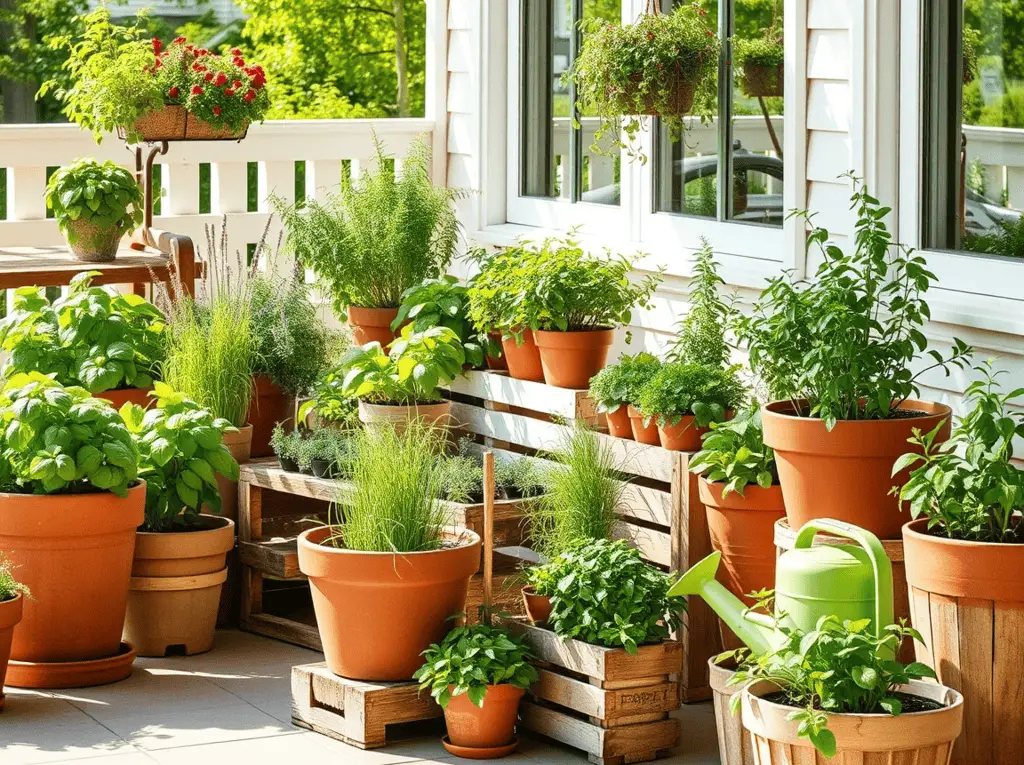
Exploring vibrant summer herb container ideas is the perfect way to transform any sunny balcony or patio into a highly productive culinary paradise. Growing your own edible greens offers the ultimate balance of flexible placement, rigorous pest control, and precise moisture management.
By isolating plants in individual pots, you eliminate the risk of soil borne diseases while keeping maintenance incredibly simple. A beautifully arranged potted garden elevates your outdoor aesthetic and guarantees fresh flavors are always just steps away from your kitchen.
Variety Selection and Core Differences
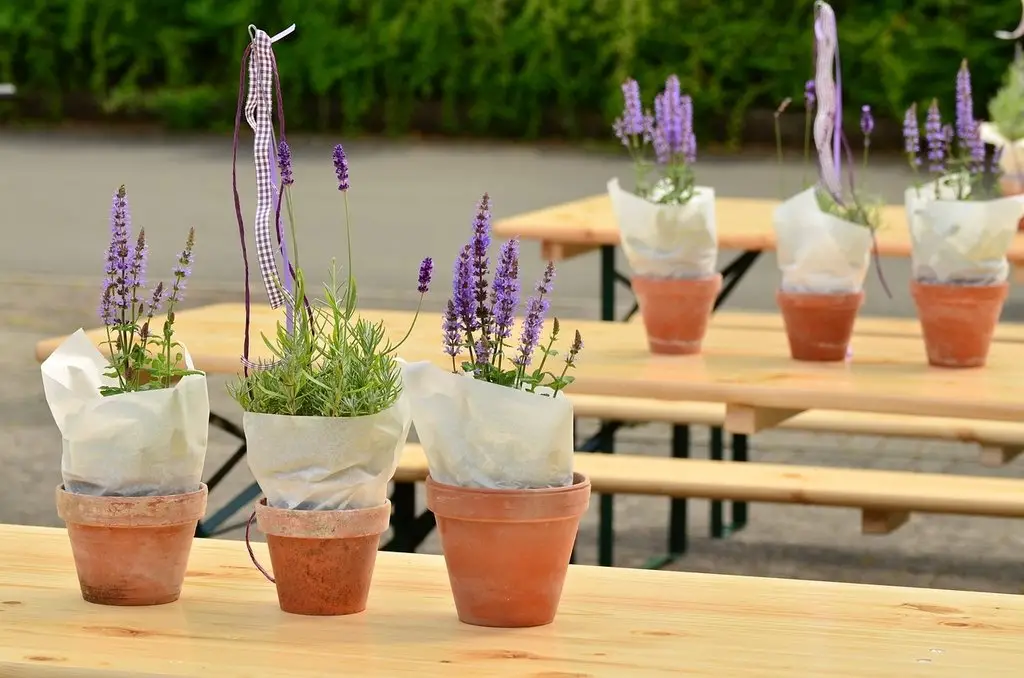
Choosing the right plants requires matching their natural botanical families with your specific microclimate. Sun loving Mediterranean herbs like rosemary, oregano, and sage thrive in intense heat and tolerate brief dry spells beautifully.
Conversely, moisture loving varieties like parsley and cilantro require slightly damp conditions and benefit from partial midday shade during scorching August heatwaves. A common myth suggests that all herbs demand scorching full sun all day long to build flavor.
In reality, delicate leafy greens like cilantro will bolt and turn bitter if subjected to excessive afternoon heat. If you are starting from seed, recognize that direct light and planting depth vary drastically among these families.
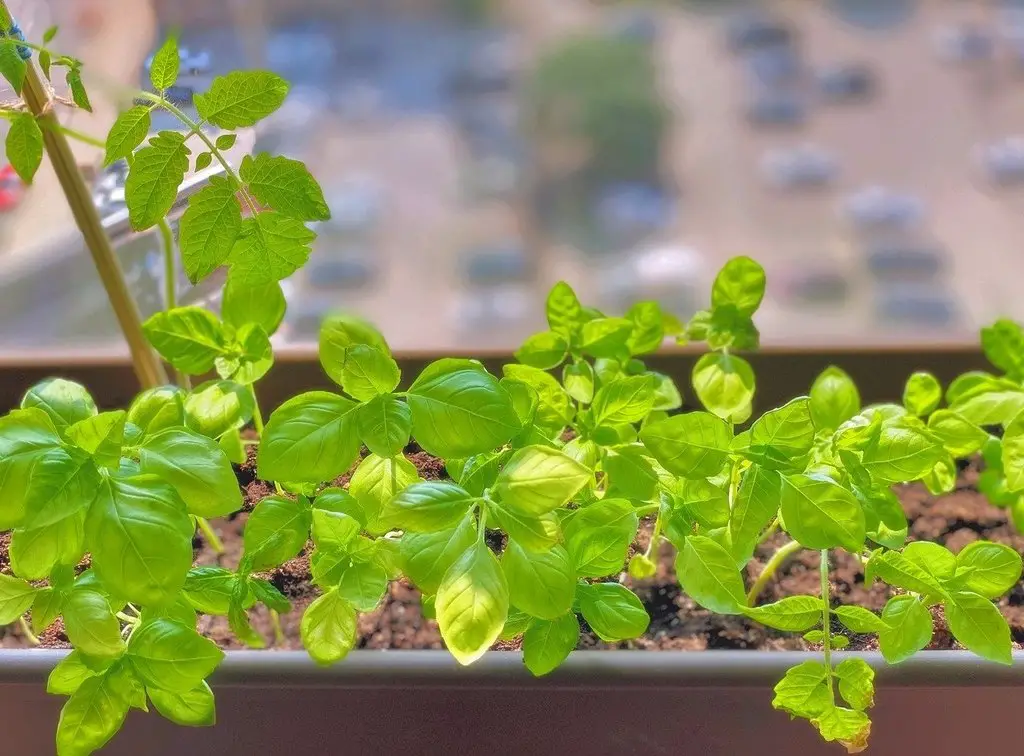
For instance, basil seeds need light to germinate and should be surface sown. Presoaking tough seeds like parsley is heavily recommended as a best practice to dramatically improve germination consistency, though it is not biologically mandatory for sprouting.
Location and Soil Setup
Because we are focusing strictly on container gardening, your soil choice dictates the entire success of the project. You must explicitly use a loose, premium soilless potting mix or coconut coir substrate to ensure adequate oxygen flow to the roots.
You are strictly forbidden from using native backyard topsoil or heavy loam in your pots. Native dirt compacts heavily inside enclosed containers, suffocating fragile root systems and causing lethal waterlogging.
To maximize drainage and root health, build a custom structural blueprint for your container mix. Combine the following materials for optimal aeration and moisture retention.
- 60 percent premium soilless potting mix
- 20 percent coarse perlite for rapid drainage
- 20 percent aged compost or worm castings
Place your containers where they receive appropriate light for their specific families. Position Mediterranean herbs in full southern exposure and tuck moisture loving herbs into eastern facing spots to catch gentle morning rays.
Spacing and Planting Guidelines
Proper spacing is critical to ensure adequate airflow and prevent fungal diseases in a tight potted environment. Adult Mediterranean plants like rosemary and sage need substantial room, requiring individual pots that are at least twelve inches wide.
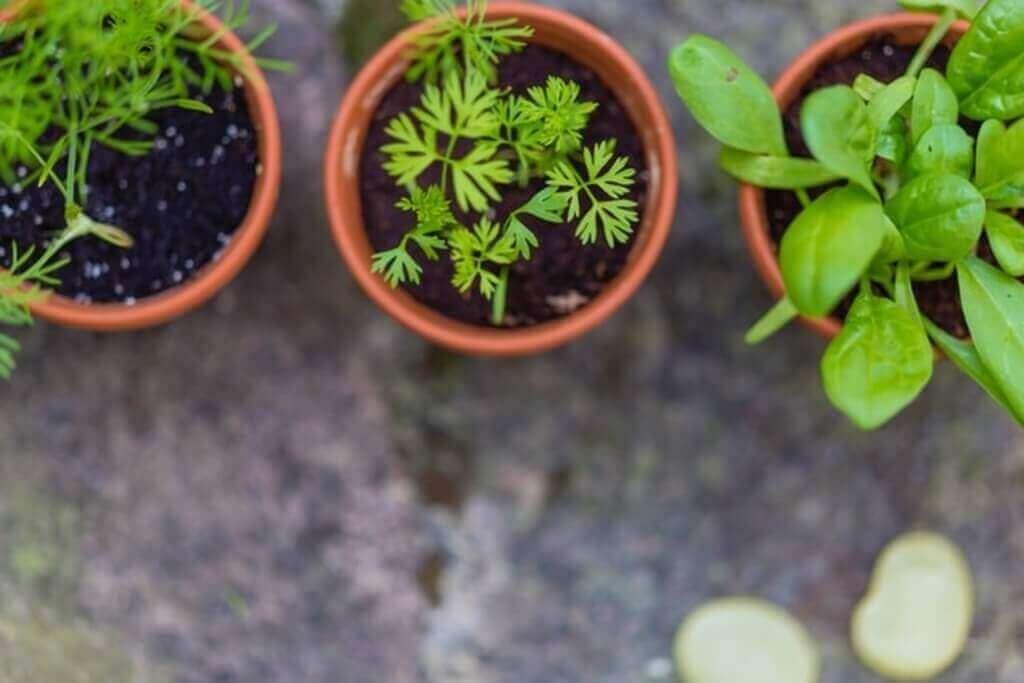
For seed starting, cilantro seeds require a quarter inch depth for optimal sprouting. Do not bury basil seeds; gently press them into the surface since they require direct light to trigger germination.
When arranging multiple plants in a large trough, leave at least eight inches of space between leafy herbs like parsley and basil. Overcrowding creates a humid microclimate that invites powdery mildew and pest infestations.
An unorthodox backyard hack for rapid germination involves covering the top of your freshly sown pots with a clear plastic shower cap. This traps vital humidity and warmth around the soil surface, acting as a miniature greenhouse until the first green shoots appear.
Watering and Nutritional Protocols
Container gardens dry out significantly faster than in ground beds, making a vigilant watering schedule absolutely essential. You must check the moisture levels daily during the peak summer heat by probing the top two inches of the substrate.
Mediterranean herbs prefer their soil to dry out almost completely between deep watering sessions. In contrast, basil and parsley require consistent, even moisture to produce tender, flavorful leaves without experiencing stress.
Water at the base of the plant early in the morning to keep the foliage dry and minimize fungal spores. Avoid splashing the leaves during your watering routine to stop soil bacteria from splashing upward.
Feed your potted herbs every three weeks with a diluted, water soluble organic fertilizer. Heavy nitrogen feeding dilutes the essential oils in herbs, so keep nutrient applications light to maintain intense culinary flavors.
Harvesting and Storage
Frequent harvesting encourages bushy growth and prevents your summer herbs from prematurely going to seed. Snip just above a set of healthy leaves using sanitized pruning shears to stimulate immediate lateral branching.
Food safety sanitation is a mandatory step before processing your harvest for the kitchen. You must explicitly wash the fresh harvest thoroughly under cold water to eliminate soil borne bacteria.
After washing, dry the leaves completely with a salad spinner or gently pat them down with paper towels before packing or storing. Any residual surface moisture will cause rapid decay and slime in the refrigerator.
For an expert culinary preservation method, finely chop your dried excess herbs and pack them tightly into standard ice cube trays. Fill the remaining space with high quality olive oil and freeze the trays to capture vibrant, garden fresh flavors for winter stews.