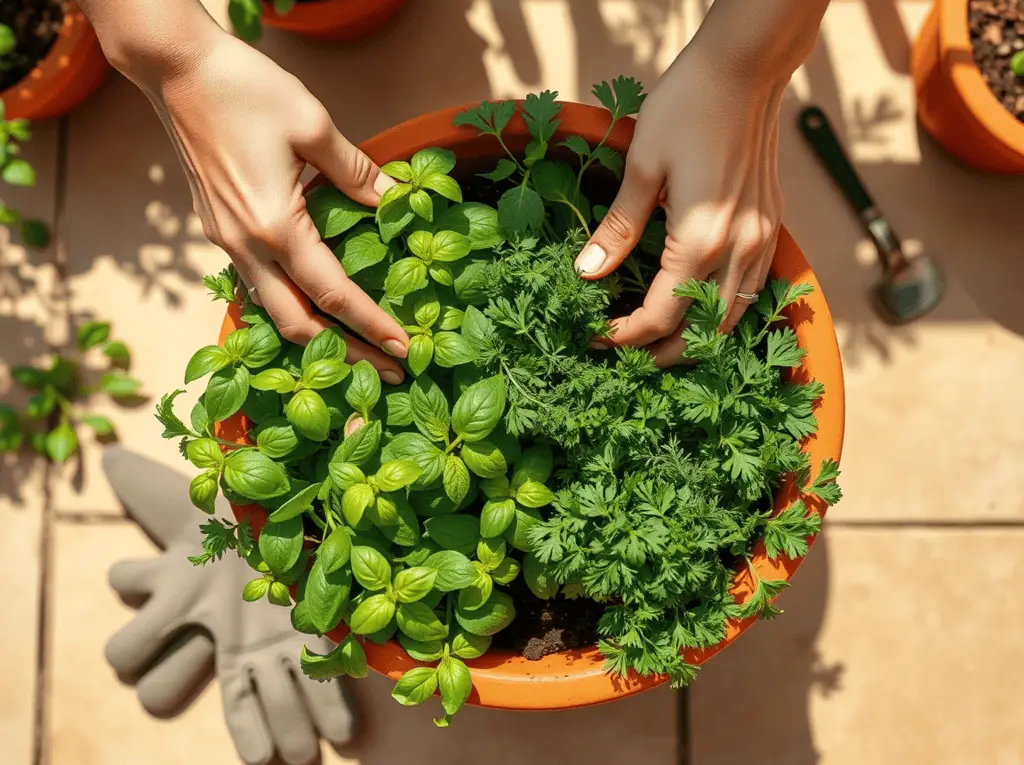
How to Arrange Herbs in a Pot for Healthy, Thriving Growth
Learning exactly how to arrange herbs in a pot transforms a chaotic container into a thriving, productive kitchen garden. Haphazard planting leads to fierce root competition, fungal diseases, and stunted growth. By grouping specific plants based on identical sunlight and moisture demands, you guarantee robust foliage all season long.
This deliberate design eliminates guesswork and maximizes your culinary harvest. Careful planning protects your plants from lethal root rot while ensuring every stem reaches its full aromatic potential.
Variety Selection and Core Differences
Selecting compatible plants is the foundational step for any successful container garden. Herbs possess wildly different biological requirements for moisture and root space. Growers on popular homesteading forums document that grouping varieties based strictly on watering frequency prevents most beginner failures.
A common myth suggests that all herbs thrive together in one massive planter, but combining a plant that tolerates drought with a variety that loves moisture guarantees lethal root rot. You must explicitly separate these conflicting plants into distinct pots or isolated containers matching their specific, uncompromised ecological needs.
Culinary favorites with soft stems require consistent moisture to prevent wilting, while Mediterranean natives demand rapid drainage.
- Plant rosemary, thyme, and lavender in dry, isolated containers
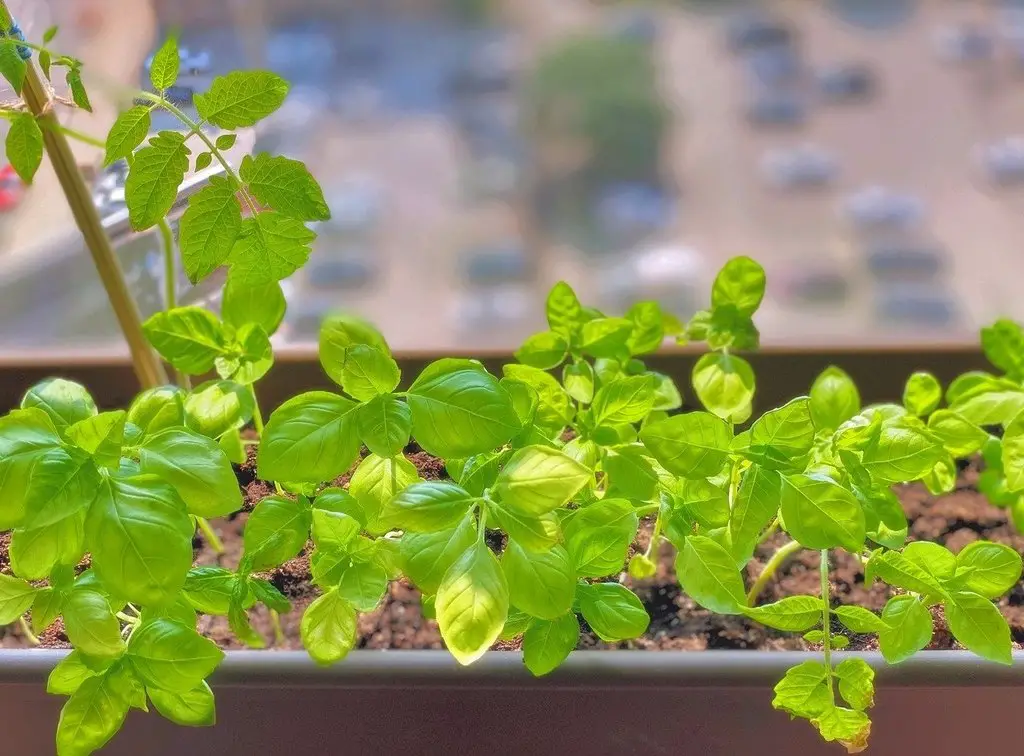
- Group basil, parsley, and cilantro together for heavy moisture
- Keep mint in an entirely separate pot to prevent invasive root spreading
Location and Soil Setup
When cultivating crops in containers, you must utilize a loose, premium soilless potting mix or substrate. Never use native topsoil or loam inside pots, as this causes lethal compaction and suffocates fragile roots.
An excellent backyard hack from seasoned urban gardeners involves mixing pine bark fines and perlite into your standard peat base to supercharge oxygen flow. This unorthodox structural blueprint creates a fast-draining matrix that mirrors natural, rocky hillsides.
Sunlight is a non-negotiable factor for essential oil production and flavor development. For heavy-hitting Mediterranean crops and basil, mandate a strict minimum of six to eight hours of direct daily sunlight.
- Blend three parts peat moss or coconut coir for the base
- Add one part coarse perlite for vital aeration
- Mix in one part pine bark fines to prevent soil collapse
Spacing and Planting Guidelines
Crowded containers create dead zones where stagnant air breeds powdery mildew and fungal blights. Providing adequate spacing ensures each plant receives proper ventilation and structural support. A standard twelve-inch diameter pot comfortably houses only three small herb starts.
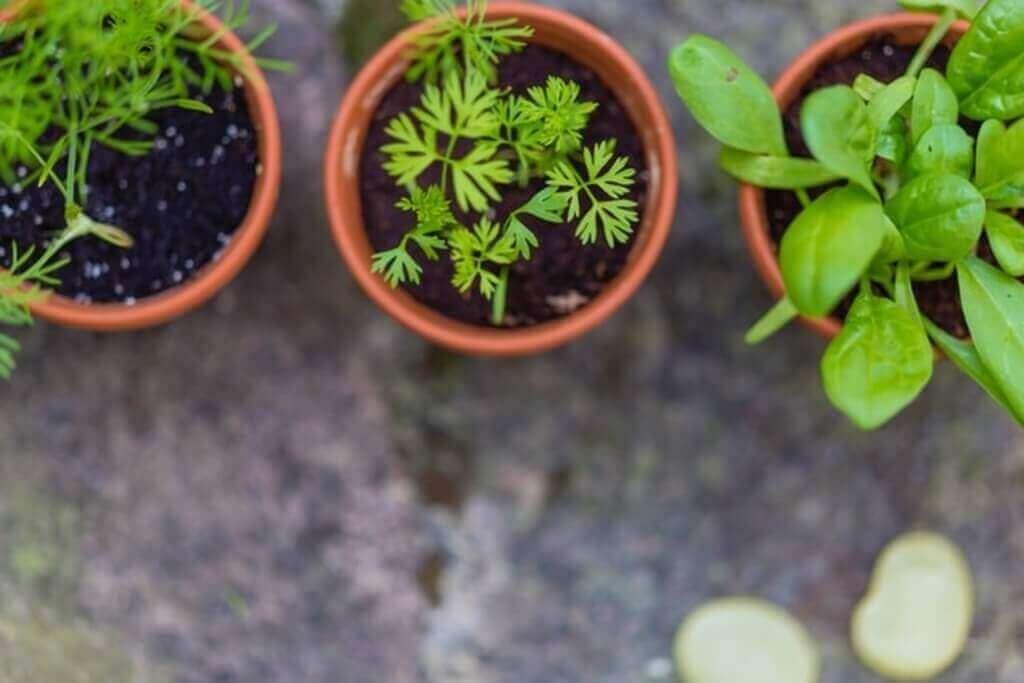
When placing your young plants into the soil, position the tallest growers like dill or rosemary in the center of the container. Place trailing herbs like creeping thyme near the edges so they can cascade gracefully over the rim.
Firm the soilless substrate gently around the root balls, ensuring the crown of each plant sits level with the soil surface. Deep planting buries the stems in wet potting mix, which invites immediate stem rot.
- Maintain a minimum of four inches between individual root balls
- Leave one inch of space below the pot rim to hold water
- Ensure every container has at least three distinct drainage holes
Watering and Nutritional Protocols
Proper irrigation relies heavily on the distinct groupings you established during planting. The moisture-loving annuals require deep watering whenever the top inch of the substrate feels dry to the touch. In stark contrast, the Mediterranean perennials need their soil to dry out almost completely between watering sessions.
Because frequent watering flushes nutrients out of container drainage holes, you must replenish the substrate regularly. Apply a diluted, water-soluble organic fertilizer every two weeks during the peak growing season to sustain rapid leaf production.
Avoid high-nitrogen synthetic fertilizers, as they force rapid but weak growth that severely dilutes the natural oils and flavor compounds.
- Check moisture levels daily by inserting a finger into the soil
- Apply a balanced organic liquid kelp fertilizer at half strength
- Water strictly at the base of the plant to keep foliage dry
Harvesting and Storage
Frequent pruning stimulates bushier growth and prevents your herbs from prematurely flowering and turning bitter. Always snip stems just above a set of healthy leaf nodes to encourage lateral branching.
Once you bring your fresh harvest indoors, strict food safety sanitation protocols apply. You must thoroughly wash the fresh leaves and dry them completely with a salad spinner or paper towels to eliminate soil-borne bacteria before packing or storing.
For an expert culinary preservation method, finely chop your dried herbs and pack them tightly into ice cube trays. Pour high-quality olive oil over the chopped greens and freeze them into solid blocks, providing perfectly portioned flavor drops for your winter cooking.
- Snip away no more than one third of a plant during a single harvest
- Wash harvested stems under cold running water immediately
- Store completely dry leaves in airtight glass jars away from direct light