Spring Herb Garden Combos: Expert Tips for Lush Containers!
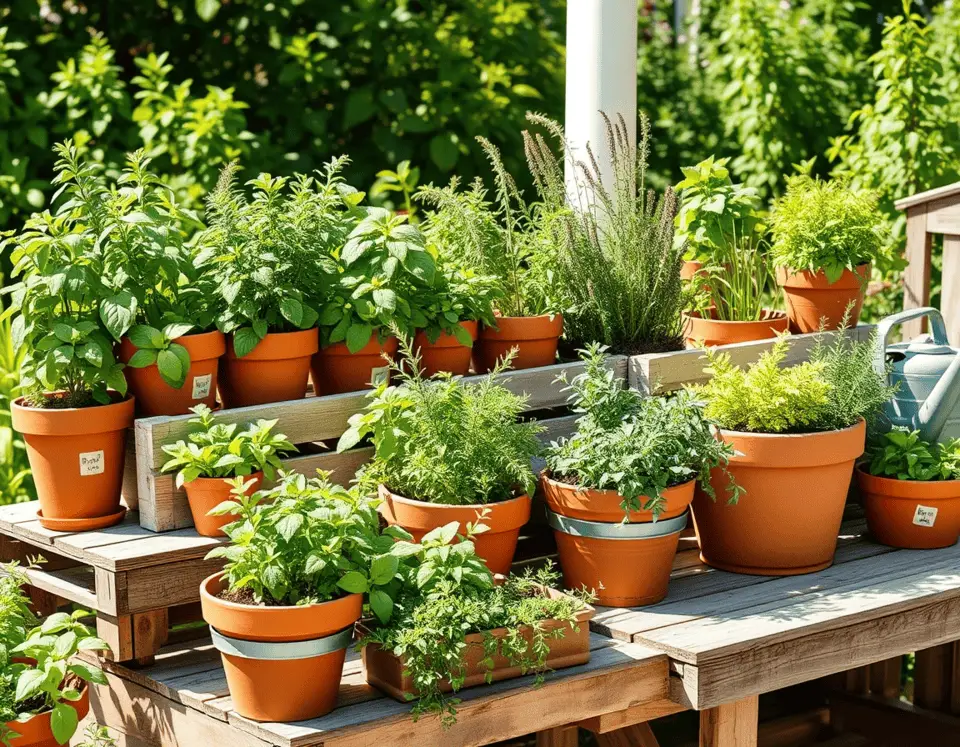
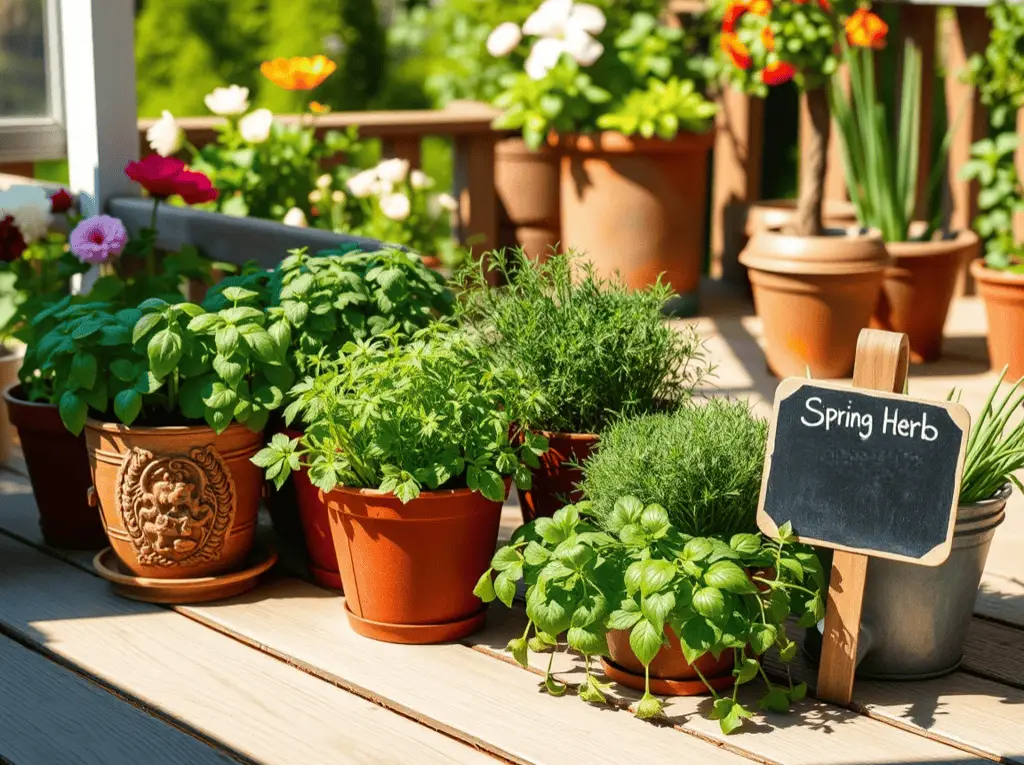
Designing the perfect spring herb garden combos is the ultimate secret to transforming a standard patio into a highly productive culinary sanctuary. Grouping specific cultivars based on shared seasonal temperature thresholds prevents early dieback and maximizes limited container space.
Urban growers rely on this companion planting strategy to simplify daily maintenance and ensure continuous yields. Designing an effective arrangement requires a strategic alignment of sunlight, water, and botanical preferences.
Variety Selection and Core Differences
The foundation of successful container displays relies on separating drought tolerant Mediterranean shrubs from moisture loving tender greens. Woody perennials like rosemary, thyme, and sage naturally flourish in lean nutrient profiles. Conversely, leafy varieties such as basil, parsley, and cilantro demand richer matrices and consistent hydration.
Mixing these contrasting species in a single planter guarantees that one plant will suffer from root rot or severe dehydration. A widespread gardening myth suggests all herbs thrive together in a universal potting mix. Real world testing logs reveal that grouping thirsty cilantro with arid oregano causes immediate physiological stress and stunted growth.
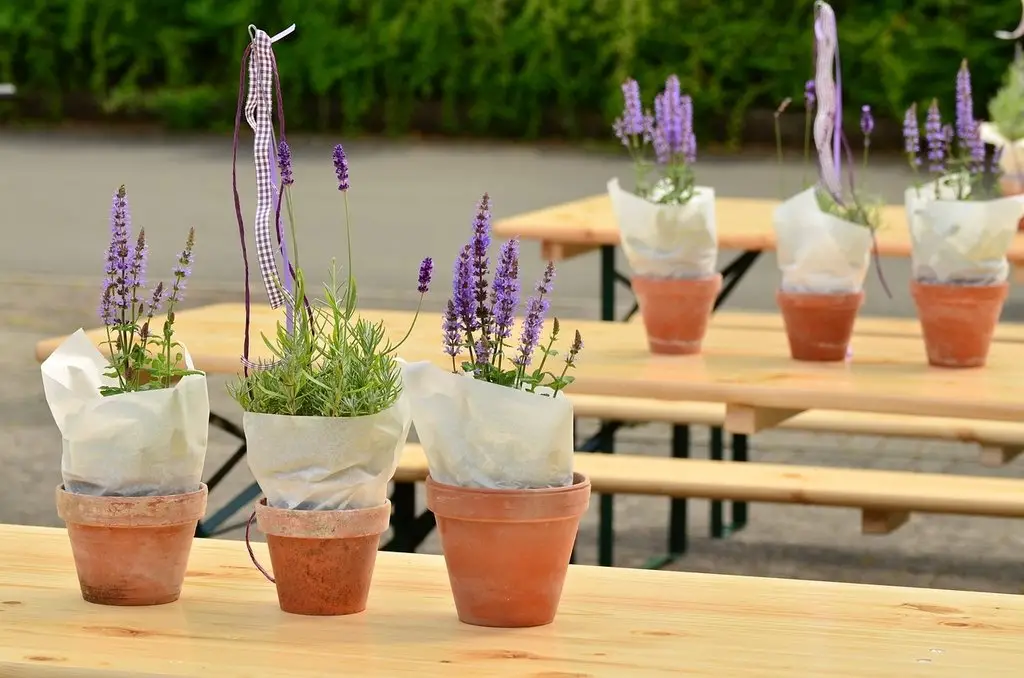
Understanding seed germination requirements dictates your early season success. While often cited as mandatory, cold stratification for lavender seeds is simply a heavily recommended best practice to improve sprouting consistency before sowing.
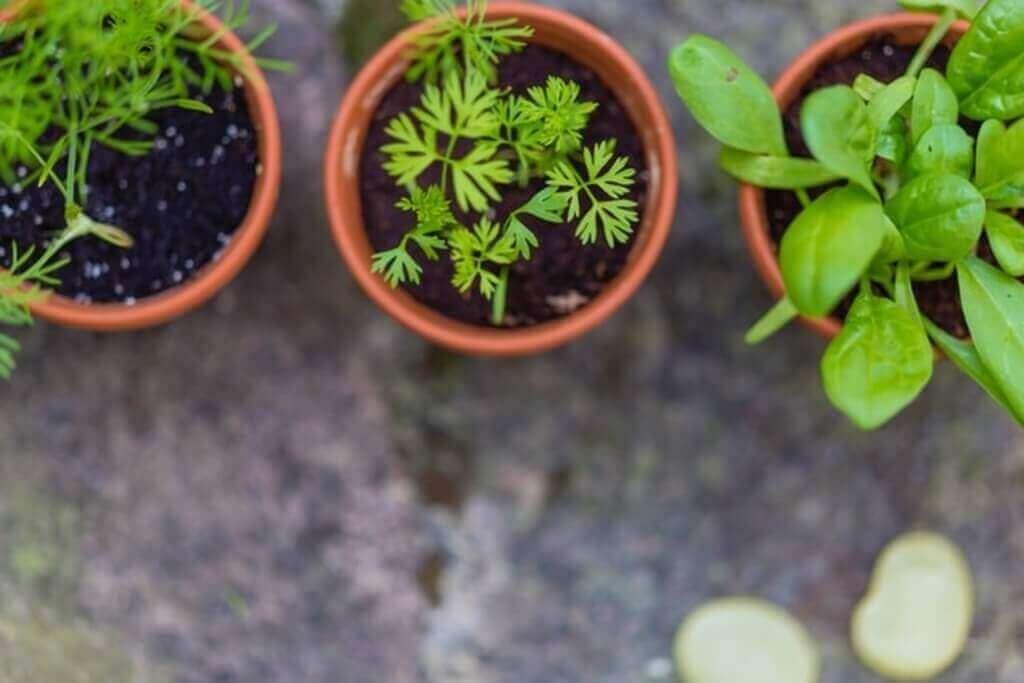
- Basil seeds require surface sowing and direct light to germinate
- Cilantro seeds need exactly one quarter inch of soil coverage
- Parsley seeds demand soaking overnight in warm water before planting
Location and Soil Setup
Selecting the right microclimate is crucial for robust vegetative growth. Most culinary herbs require a minimum of six hours of direct sunlight to synthesize their essential oils.
Building the perfect growing medium for pots requires a precise balance of drainage and nutrition. Because you are cultivating in containers, you must explicitly use a loose, premium soilless potting mix. You are strictly forbidden from using native topsoil or loam, as these heavy aggregates cause lethal compaction and immediate root suffocation inside planters.
An overly rich environment encourages rapid foliage growth but severely dilutes the potent aromatic compounds. Utilizing a structured soilless blueprint guarantees optimal root respiration.
- 40 percent coco coir or peat moss baseline
- 30 percent aged organic compost
- 30 percent coarse builder sand or perlite
Spacing and Planting Guidelines
Proper spatial configuration prevents fungal diseases by ensuring adequate airflow between dense foliage canopies. Crowding your plants invites devastating outbreaks of powdery mildew during humid spring weather.
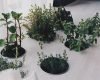
Backyard growers on local homesteading boards document a highly effective hack using buried terracotta pots. Sinking a porous, unglazed pot with a sealed bottom hole between your heavy drinkers creates a slow release sub-surface irrigation system.
Industry standard mature adult spacing dimensions must be strictly followed to accommodate expansive root systems. Adhering to these exact measurements guarantees maximum structural development.
- Rosemary requires 24 inches of clearance
- Sage demands 18 to 24 inches of lateral space
- Basil needs 12 to 18 inches between stems
- Thyme spreads up to 12 inches across
- Cilantro grows best with 8 inches of spacing
Watering and Nutritional Protocols
Maintaining the correct moisture gradient is the most challenging aspect of mixed botanical cultivation. Mediterranean species prefer to dry out completely between deep saturation cycles.
Leafy greens like parsley will quickly bolt and turn bitter if their root zones experience prolonged drought. Always probe the soil two inches deep to verify moisture levels before applying supplemental irrigation.
Nutritional maintenance should remain minimal to preserve the concentrated flavor profiles of your harvest. A diluted organic kelp emulsion applied once per month provides adequate trace minerals without overfeeding.
Excessive synthetic fertilizers often result in weak cellular structures that attract sap sucking insects. A lean feeding protocol ensures robust defense mechanisms and intensely aromatic leaves.
Harvesting and Storage
Timing your harvest correctly captures the highest concentration of volatile oils. Always snip your stems in the early morning just after the dew evaporates but before the sun intensifies.
Proper sanitation is a non-negotiable step before any culinary preservation or curing method begins. You must thoroughly wash the fresh harvest and dry the leaves completely with a salad spinner or paper towels to eliminate soil-borne bacteria before storing.
An expert culinary processing method involves flash freezing tender herbs in olive oil ice cube trays to preserve their delicate cellular integrity. This technique captures the vibrant green color and locks in volatile compounds better than traditional air drying.
Hardier woody stems can be bundled and hung upside down in a dark and well ventilated room. Processing your yields meticulously ensures your culinary sanctuary provides exceptional flavors throughout the entire winter season.