The Ultimate Herb Growing Guide: From Setup to Abundant Harvest
Launching your own kitchen plot is the single most rewarding way to stop relying on expensive, plastic-wrapped supermarket produce that wilts in days. Utilizing a disciplined, step-by-step herb growing guide eliminates the guesswork, turning tiny balcony setups or backyard raised beds into prolific culinary stations that supply ingredients on demand.
The secret to success hinges on matching plant physiology to clear environmental controls rather than relying on basic luck. This comprehensive blueprint maps out the exact structural soil ratios, biological space boundaries, and advanced harvesting hacks required to keep your garden robust and high-yielding across every season.
Variety Selection and Core Differences
Culinary herbs fall into distinct physiological categories that dictate their climate tolerance, life cycle, and water storage capacity. Soft Mediterranean annuals like sweet basil prioritize leafy vegetative growth, whereas woody perennials like rosemary and thyme allocate resources toward dense, lignified stems.
A common horticultural myth claims all herbs can be started easily from store-bought seed packets. In reality, species such as Cuban oregano (Coleus amboinicus) virtually never produce viable seeds in commercial cultivation and must be propagated strictly through vegetative cuttings; furthermore, their thick, solid, flesh-filled branches snap easily under high turgor pressure rather than internal hollowness.
- Sweet Basil: Tender annual requiring warm soil, high sunlight, and frequent tip pinching.
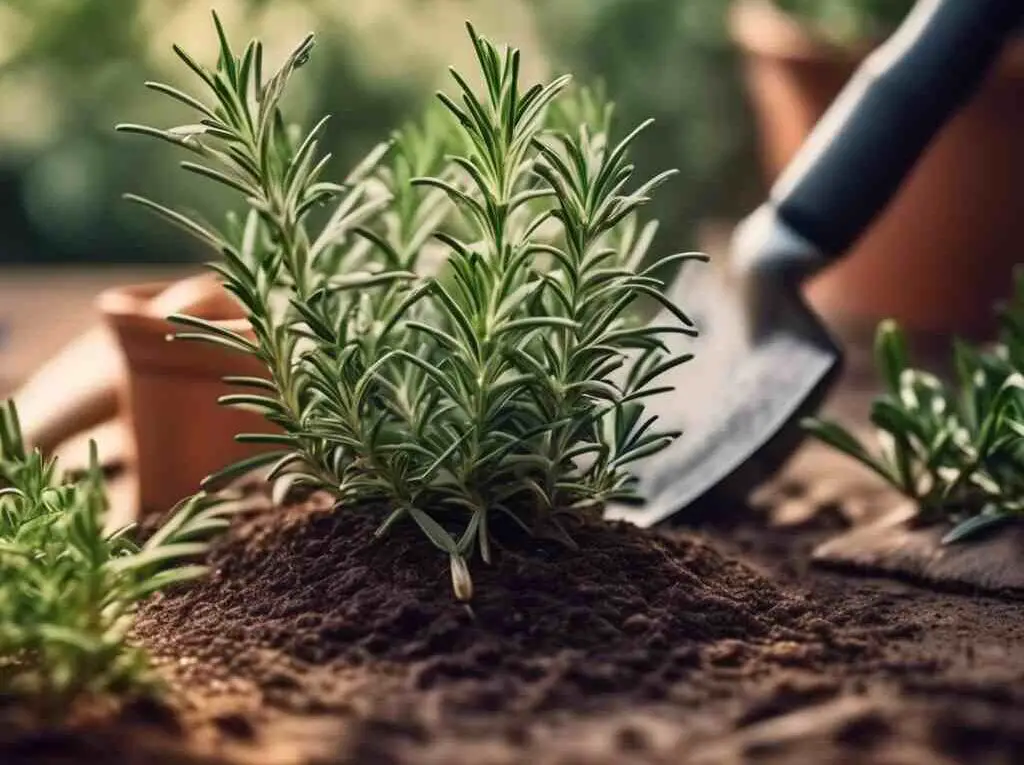
- Rosemary: Lignified woody perennial thriving in low-moisture environments with exceptional cold resistance.
- Cuban Oregano: Semi-succulent perennial propagated exclusively via cuttings, possessing solid, moisture-dense tissue.
- Garden Mint: Aggressive rhizomatous perennial best restricted to isolated root barriers to prevent garden invasion.
Location and Soil Setup
Herbs demand a minimum of six to eight hours of direct daily sunlight to synthesize essential volatile oils. Setting up the correct substrate prevents root rot, which remains the single most common cause of crop failure.
For container plantings, never use native topsoil or heavy garden loam, as these quickly compact and suffocate root zones. Containers require a loose, porous, soilless potting mix, whereas outdoor beds need a structured mineral loam where soil amendments follow exact volume thresholds.
- Container Soilless Blend: 50 percent peat moss or coco coir, 30 percent coarse perlite, and 20 percent compost.
- In-Ground Bed Blueprint: 60 percent native sandy loam blended with a strict maximum of 40 percent screened organic compost.
- Target Substrate pH: 6.2 to 6.8 for optimal nutrient availability across Mediterranean and soft-leaf varieties.
Spacing and Planting Guidelines
Proper physical spacing maintains critical airflow through the lower canopy, preventing foliar diseases such as powdery mildew and botrytis blight. When transplanting nursery starts or rooted cuttings, keep root crowns perfectly level with the surrounding soil surface.
An unorthodox backyard propagation hack involves dipping freshly cut stems into raw organic honey before inserting them into pre-moistened perlite. The natural enzymes in honey serve as an effective antimicrobial shield that prevents pathogens from entering fresh stem wounds while adventitious roots develop.
Vegetative Cuttings: Take 4 to 6 inch solid stem cuts directly below a leaf node and strip the lower foliage. While thick succulents can handle a full day of drying, standard culinary herb cuttings will suffer severe vascular collapse if left unplanted. Limit the air-drying callous period to a strict 30 to 60 minutes (maximum 2 hours for thick succulent stems) before inserting into the propagation medium.
Bushy Upright Herbs: Space rosemary, sage, and mature basil 18 to 24 inches apart to ensure uniform sunlight penetration.
Compact Woody Herbs: Space culinary thyme and winter savory 10 to 12 inches apart along the container or bedding perimeters.
Watering and Nutritional Protocols
Most culinary herbs prefer the soak-and-dry cycle rather than constant, saturated moisture. Apply irrigation directly to the base of the plant during early morning hours to keep foliage dry and minimize fungal spore germination.
Excessive synthetic fertilization destroys the concentration of aromatic oils, leaving you with lush foliage that lacks culinary flavor. Implement a low-nitrogen feeding routine using balanced organic amendments to support steady cellular development without forcing watery, weak growth.
- Irrigation Protocol: Water deeply only when the top 2 inches of potting media register completely dry to the touch.
- Liquid Nutrition: Apply organic cold-pressed fish hydrolysate diluted to half strength once every four weeks during active vegetative growth.
- Mineral Boost: Supplement with a quarterly top-dressing of elemental kelp meal to supply micronutrients without pushing excess nitrogen.
Harvesting and Storage
Harvest herb foliage in the morning immediately after the dew evaporates but before midday heat degrades volatile terpenes. Never remove more than one-third of the total foliage mass at a single time to avoid inducing severe root shock.
Strict food safety sanitation is mandatory prior to preserving your harvest. Always wash freshly harvested leaves under cold running water and dry them completely using a salad spinner or lint-free paper towels to eliminate soil-borne bacteria before packing.
- Herb Compound Butter: Blend thoroughly dried, minced herbs into unsalted pasture-raised butter, roll into parchment cylinders, and freeze for up to six months.
- Oxygen-Free Herb Cubes: Pack chopped leaves into silicone trays, submerge fully in extra virgin olive oil, and freeze at zero degrees Fahrenheit.
- Dehydration Protocol: Dry washed sprigs on mesh racks at 95 to 105 degrees Fahrenheit until leaves crumble crisply under light finger pressure.