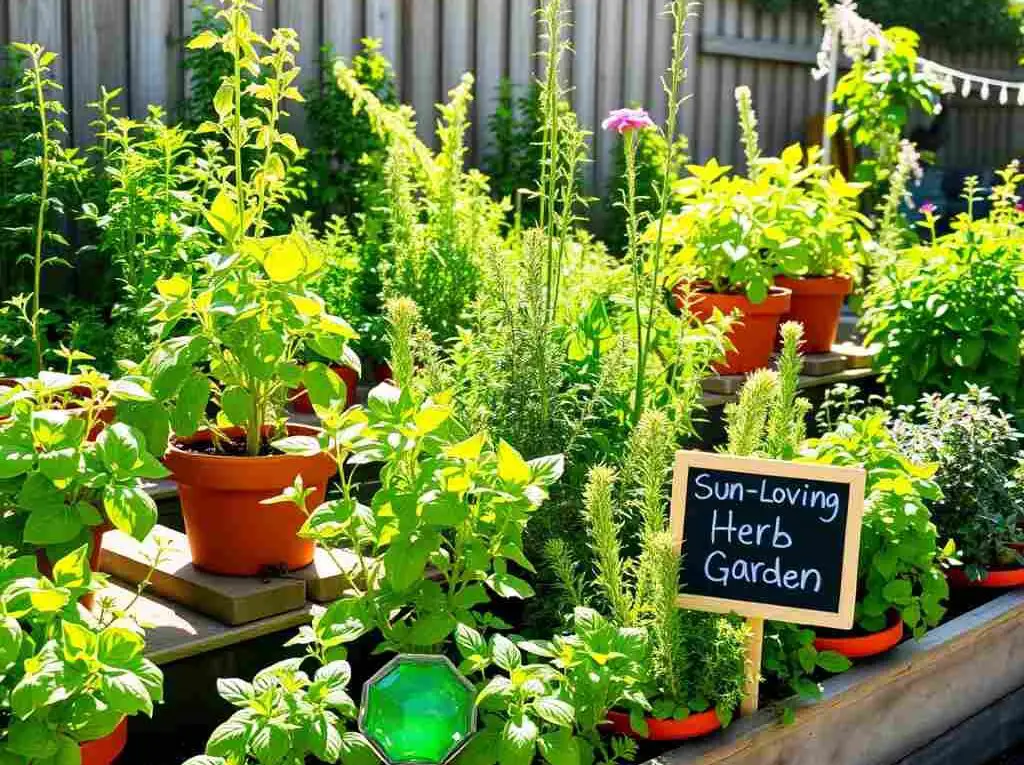
Best Sun-Loving Herb Plants & Combinations That Work
Selecting compatible sun-loving herb plants and combinations transforms an open patio or backyard plot into an abundant culinary sanctuary. Designing these high-yield arrangements requires matching botanical tolerances so vigorous species never smother slower-growing partners.
Strategic companion pairings optimize garden microclimates and elevate natural resistance against persistent pests. By grouping distinct cultivars by daily solar exposure and physiological moisture demands, you guarantee sustained leaf harvests across the entire growing season.
Variety Selection and Core Differences
Successful arrangements depend on pairing species with matching cellular structures and metabolic rates. Woody Mediterranean perennials thrive under radiant ultraviolet conditions, while lush culinary annuals demand different microclimates.
A frequent misconception involves cross-pollination among related Umbelliferae family herbs like dill and fennel. Cross-pollination exclusively impacts the genetic traits and seeds of the next generation crop. It never alters the flavor, aroma, or foliage characteristics of your current season harvest.
Invasive rhizomatous herbs like spearmint or peppermint must never share open garden soil with Mediterranean selections. True containment requires planting mint in a fully intact pot with drainage holes, because subterranean rhizomes easily dive beneath open-bottom barriers within two growing seasons.
- Rosemary: Upright evergreen perennial demanding six to eight hours of direct daily sunlight and sharp drainage.
- Common Thyme: Dense groundcover that stabilizes dry soil surfaces while resisting intense heat stress.
- Genovese Basil: Tender culinary annual requiring sustained heat alongside higher substrate moisture reserves.
- Greek Oregano: Vigorous creeping perennial producing pungent oils under sustained thermal stress.
Location and Soil Setup
Sun-loving herbs require strategic substrate management tailored strictly to your chosen growing environment. In-ground garden installations demand a balanced loam base where structural density prevents immediate root dehydration.
When constructing in-ground beds, incorporate organic amendments so they never exceed 40 percent of total volume. Excessive organic matter holds surplus water around sensitive taproots and causes lethal root rot in dry-climate varieties.
Container gardening requires an entirely separate chemical and physical approach. You must plant containers using a loose, premium soilless potting mix and strictly avoid heavy native topsoil or dense loam that suffocates confined roots.
- In-ground soil blueprint: Sixty percent native sandy loam blended with forty percent matured compost.
- Container potting substrate: Fifty percent peat moss or coco coir, thirty percent horticultural perlite, and twenty percent pine bark fines.
- Thermal stone mulching hack: Two inches of crushed granite or light gravel spread over the soil surface to reflect sunlight up into the lower stems.
Spacing and Planting Guidelines
Plant spacing directly influences airflow throughout the canopy and minimizes moisture accumulation that fuels foliar fungal blights. Crowded plantings trap humid air, which compromises the oil density and vigor of sun-worshiping varieties.
Seed sowing practices must reflect biological light requirements rather than generic garden rules. Small, light-triggered seeds like basil or sweet marjoram must be surface-sown completely uncovered and gently firmed into damp media so light initiates germination.
Large seeds like cilantro require a true quarter-inch soil burial to maintain moisture balance and anchor emerging radical roots. Burying tiny seeds too deep results in complete emergence failure, while under-burying large seeds leads to desiccation.
- Large herb seed sowing: Cilantro planted at a verified depth of one-quarter inch below settled soil.
- Light-dependent seed sowing: Basil and chamomile pressed lightly onto the soil surface with zero top dressing.
- Mediterranean woody herb clearance: Rosemary and sage spaced twenty-four to thirty-six inches apart to ensure continuous air movement.
- Low-profile companion clearance: Thyme and prostrate oregano spaced twelve to eighteen inches apart along exterior raised bed perimeters.
Watering and Nutritional Protocols
Water management determines essential oil concentration in sun-tolerant herbs. Mediterranean species develop peak flavor profiles when subjected to controlled moisture stress between water cycles.
Shallow daily misting encourages weak surface roots that collapse under high summer heat. Saturate the soil deeply once weekly, allowing the upper two inches of soil to dry out completely before irrigating again.
Avoid feeding woody herbs with synthetic high-nitrogen fertilizers. Excessive nitrogen creates rapid vegetative growth that drastically dilutes essential oil potency, rendering culinary harvests flavorless and vulnerable to aphid outbreaks.
- Mediterranean irrigation schedule: Deep moisture application once every seven to ten days during dry summer intervals.
- Annual culinary herb schedule: Deep watering applied twice weekly to sustain high leaf transpiration rates.
- Organic nutritional regimen: Liquid kelp extract or half-strength fish emulsion applied once monthly during active vegetative production.
Harvesting and Storage
Timing your cutting routine preserves volatile terpenes and aromatic oils within herb foliage. The optimal harvest window occurs during mid-morning after early dew evaporates but before intense midday heat vaporizes surface oils.
Food safety sanitation must guide every culinary preservation method. You must thoroughly wash the fresh harvest and dry the leaves completely with a salad spinner or paper towels to eliminate soil-borne bacteria before packing or storing.
For prolonged culinary use, prepare a compound herb log by blending finely minced leaves into unsalted butter and rolling the mixture in wax paper. Alternatively, submerge dried whole leaves into airtight amber glass jars to protect active compounds against ultraviolet degradation.
- Sanitation workflow: Submerge trimmed foliage in cold running water and extract moisture using a mechanical salad spinner.
- Short-term storage method: Upright stems positioned in two inches of fresh water inside the refrigerator door.
- Dehydration parameters: Foliage dried on mesh trays in a dark space held at ninety-five degrees Fahrenheit until leaves crumble cleanly.