Edible Herbs That Attract Pollinators: Grow Food Eat Well!
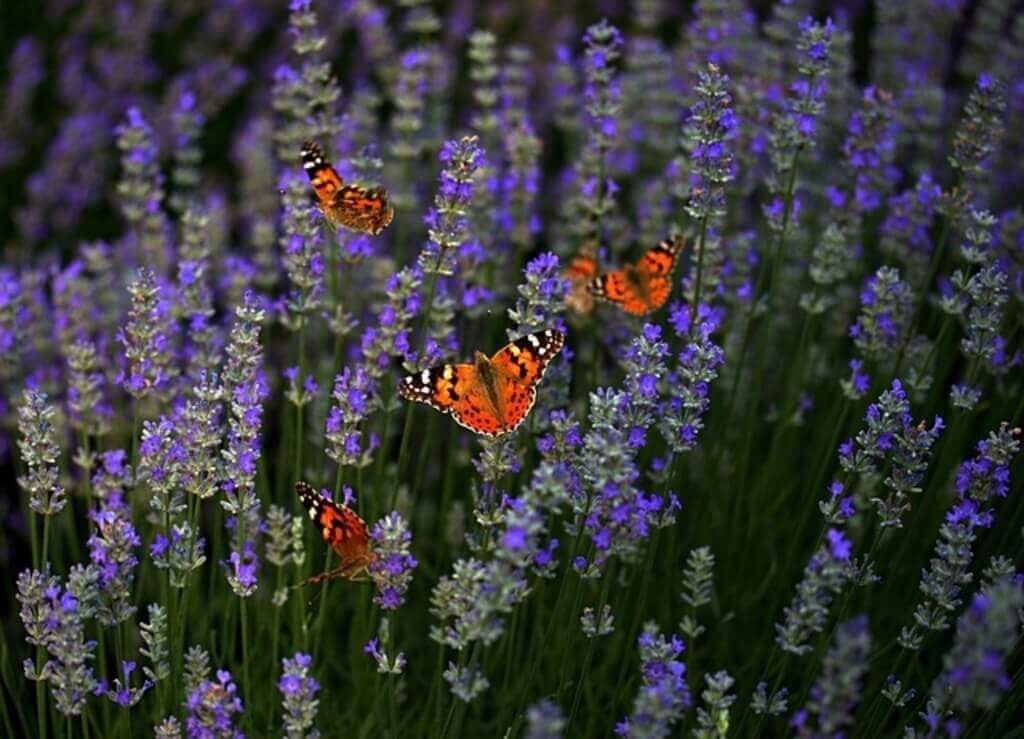
Cultivating edible herbs that attract pollinators provides a dynamic way to harvest kitchen staples while sustaining vital native bees, hoverflies, and butterflies. Blending culinary plots with pollinator pathways enriches the surrounding ecosystem and increases fruit set across neighboring vegetable gardens.
A successful dual-purpose herb layout requires an understanding of distinct growth cycles and flowering habits. Selecting the right species creates a landscape that feeds both your household and beneficial insects across every season.
Variety Selection and Core Differences
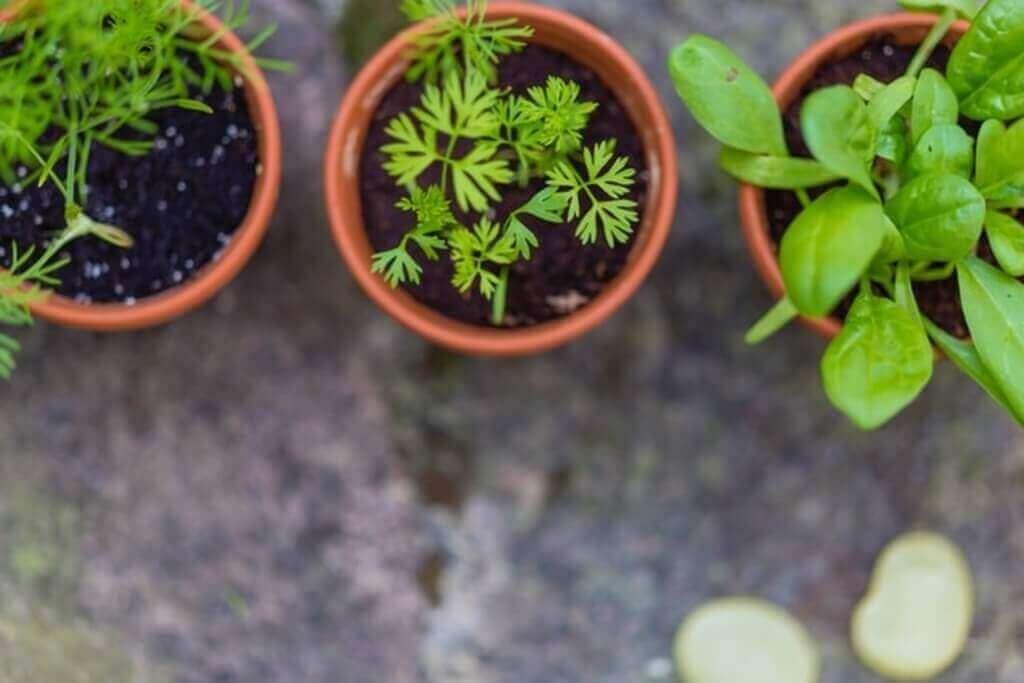
Herb species fall into distinct botanical families that dictate their bloom structures, nectar yields, and culinary applications. The Lamiaceae family includes classics such as basil, oregano, thyme, and mint, all of which produce dense flower spikes bursting with concentrated sugars. In contrast, the The Apiaceae family (historically referred to as Umbelliferae) includes dill, fennel, and cilantro, which develop wide umbrella-shaped umbels that provide essential landing pads for parasitic mini-wasps and swallowtail caterpillars.
- Sweet basil offers high-sucrose floral spikes, but blooming directs energy away from foliage and causes leaves to taste bitter.
- Creeping thyme forms an exceptionally dense mat of nectar-rich micro-blossoms that ground-nesting solitary bees favor.
- Greek oregano yields expansive pink and white floral cushions that sustain bumblebees and hoverflies for several continuous weeks.
- Dill and fennel serve as vital host plants for caterpillar larvae while delivering exposed nectar to short-tongued beneficial insects.
Gardeners often worry that planting dill and fennel close together will ruin current foliage taste through hybridization. Cross-pollination exclusively impacts the genetic traits and seed viability of the next generation’s crop. It never alters the flavor, essential oil profile, or aroma of the current season leaves you clip for cooking.
When selecting mint varieties, you must plan for aggressive underground spread. Rhizomes easily dive beneath open barriers within two seasons, meaning true containment requires a fully intact pot with drainage holes or a solid, deep-sunk root barrier. Bottomless pots or open-bottom landscape edging will consistently fail to contain invasive runner networks.
Location and Soil Setup
Most Mediterranean herbs produce their richest aromatic oils and strongest blossoms when receiving at least six to eight hours of direct sunlight daily. Site your herb garden in an open area protected from harsh winds to allow delicate insects to forage efficiently.
Soil conditions must match the planting method to prevent root decline and pathogen proliferation. Container gardens require a light, porous structure, while in-ground beds rely on balanced soil biology and natural drainage.
- Container blend uses 60 percent peat moss or coco coir, 25 percent perlite, and 15 percent vermiculite.
- In-ground blueprint combines native loam with compost where organic amendments never exceed 40 percent of total volume.
- Ground bed mineral target maintains a balanced soil pH between 6.2 and 6.8.
Avoid filling containers with native topsoil or garden loam, as dense mineral dirt compacts quickly and suffocates roots. Incorporating a top layer of crushed pea gravel across Mediterranean beds reflects light upward, which speeds foliage drying and deters fungal blights.
Spacing and Planting Guidelines
Proper spacing ensures adequate airflow, which limits fungal outbreaks like powdery mildew while providing insects clear flight paths between blossoms. Planting depth must be tailored precisely to the seed architecture of each distinct species.
- Small seeds like sweet basil and chamomile are light-triggered and must be surface-sown completely uncovered.
- Large seeds like cilantro and borage require a true quarter-inch soil burial to ensure dark, moist germination conditions.
- Upright perennials like rosemary and mature sage need 24 to 36 inches of clearance between root crowns.
- Compact creepers like creeping thyme require 10 to 12 inches of spacing to spread without crowding companions.
An effective backyard layout hack involves staggering plantings into parallel rows. Maintain a dedicated cutting row that you routinely harvest before blooms emerge, and allow a staggered flowering row to blossom fully for insect foraging.
Watering and Nutritional Protocols
Flowering herbs demand conservative irrigation and minimal fertility to preserve culinary potency. Excessive soil moisture degrades root respiration, while high-nitrogen fertilizers stimulate weak, watery foliage that lacks concentrated essential oils.
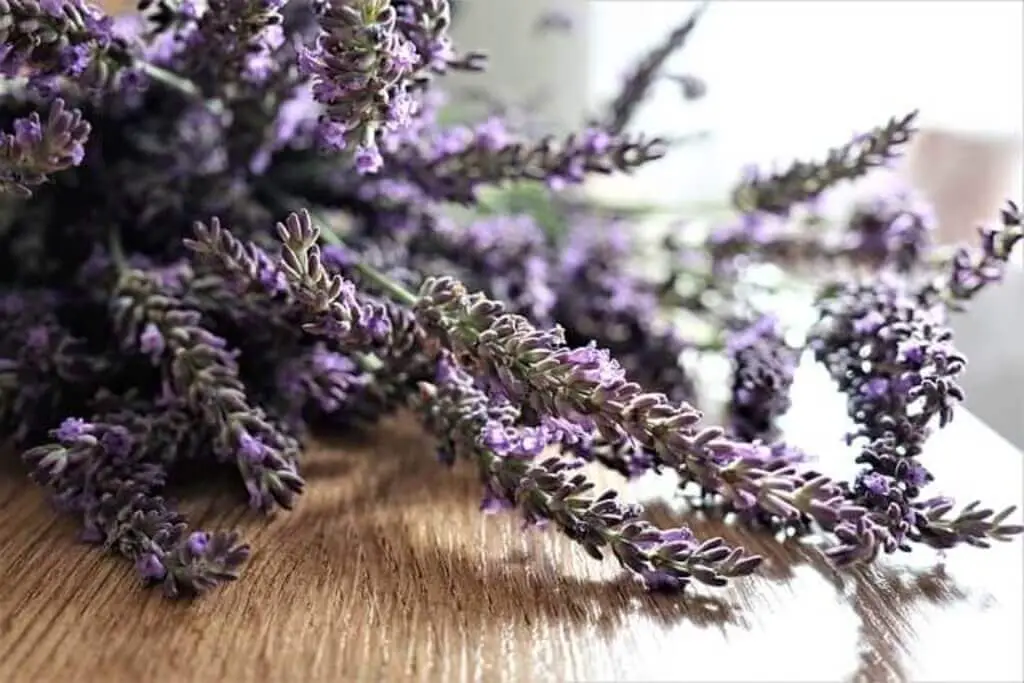
- Mediterranean species like lavender, oregano, and rosemary require watering only when the top two inches of soil dry out.
- Moisture-loving herbs like chives and sweet basil need consistent hydration, ideally one inch of water per week.
- Perennial culinary herbs thrive with a single spring application of balanced, slow-release organic fertilizer at a 1-1-1 ratio.
Avoid synthetic high-nitrogen fertilizers completely. Rapid leaf growth induced by synthetic nitrogen dilutes essential aromatic terpenes and delays flowering, reducing the overall visitation rates of local pollinators.
Harvesting and Storage
Harvesting techniques determine whether a plant stays vegetative for kitchen use or transitions toward flower production for native pollinators. Clip your culinary sprigs in the early morning immediately after the dew evaporates, which captures peak concentrations of volatile essential oils.
- Pinch tender top nodes on basil and mint weekly to delay premature flowering and force bushy branch development.
- Allow twenty to thirty percent of each planting block to flower undisturbed so nectar supplies remain constant.
- Clip spent flower spikes promptly if you intend to stimulate a second flush of late-season blooms for autumn pollinators.
Culinary safety demands strict post-harvest cleaning methods. Thoroughly wash the fresh harvest under clean, running water, and dry the leaves completely with a salad spinner or paper towels to eliminate soil-borne bacteria before packing or storing. Store clean sprigs loosely wrapped in damp towels inside the crisper drawer, or freeze finely chopped leaves in high-grade olive oil inside airtight silicone trays.