Shade Loving Herb Combinations: No Sun? No Problem!
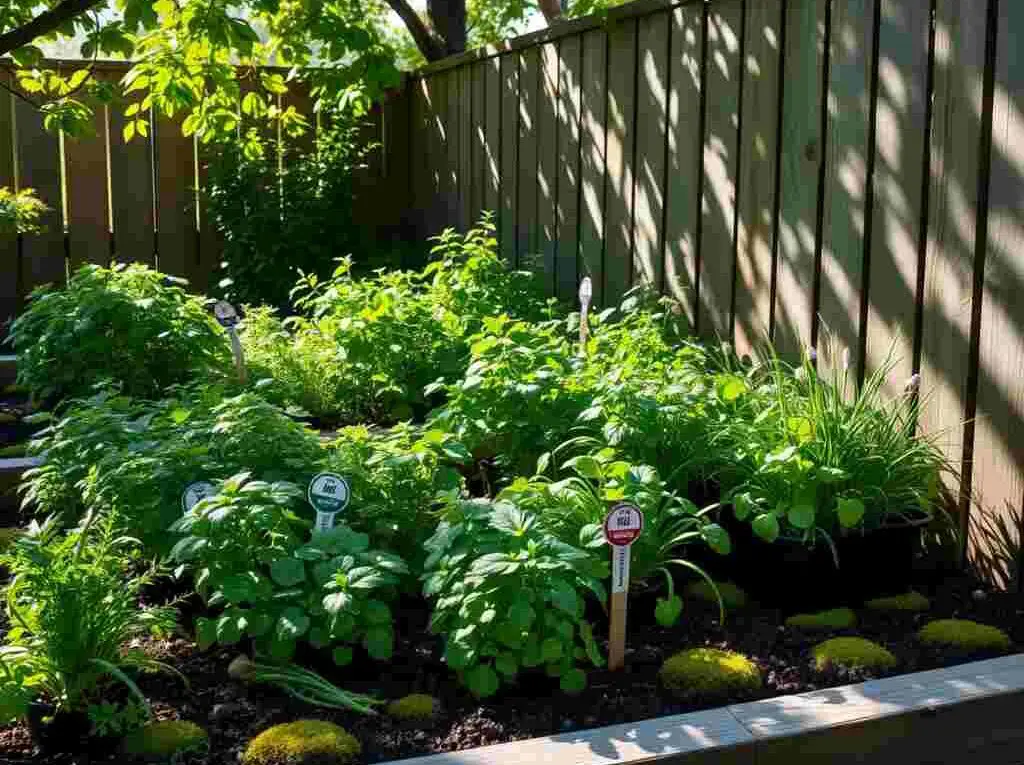
Designing productive shade-loving herb combinations allows you to turn low-light yard spaces into aromatic, food-producing powerhouses. Many culinary herbs originated in forest understories and damp river valleys, meaning they naturally thrive away from direct, scorching sun.
By grouping plants with shared moisture and light needs, you can maintain vigorous growth in tricky north-facing spaces. This guide breaks down the biological requirements, spatial strategies, and maintenance protocols necessary for high-yield shade gardening.
Variety Selection and Core Differences
Selecting the right plants requires understanding how different herbs respond to low-light conditions. Sun-loving Mediterranean perennials like lavender, rosemary, and common thyme fail in deep shade because their metabolic pathways require intense UV exposure. In contrast, leafy, moisture-seeking herbs produce tender, highly aromatic foliage when protected from direct afternoon heat.
- Spearmint (Mentha spicata): Thrives in partial to dense shade, requiring strict subterranean root containment.
- Italian flat-leaf parsley (Petroselinum crispum): Develops tender, flavorful stems in dappled, indirect light.
- Sweet cicely (Myrrhis odorata): An underutilized woodland perennial offering a sweet anise profile in deep shade.
- Chives (Allium schoenoprasum): Tolerates low sun while providing steady harvests of savory greens.
- French sorrel (Rumex acetosa): Produces tangy, oxalic acid-rich foliage without turning bitter in cool shade.
- Lovage (Levisticum officinale): Forms a robust, structural anchor with bold celery flavors in partial shade.
A widespread myth among hobbyist growers suggests that growing different Umbelliferae varieties together causes the leaves to cross-pollinate and lose flavor. Scientifically, cross-pollination only alters the genetic embryo inside the resulting seed, never the current season’s leaf tissue or chemical volatile oils. You can grow parsley, cilantro, and sweet cicely side by side without any dilution of their individual flavor profiles.
Another major myth involves using bottomless pots or open-ended barriers to manage invasive rhizomatous spreaders like spearmint and lemon balm. Mint stolons and rhizomes easily dive sixteen inches deep, escaping beneath open barriers within two growing seasons to choke out adjacent roots. True botanical containment demands a fully intact, solid pot with distinct drainage holes or an impenetrable, non-porous root barrier.
Location and Soil Setup
Creating an environment for shade herbs requires careful consideration of ambient light and drainage. Herbs in shaded spaces process moisture slowly due to reduced transpiration rates. If roots sit in cold, stagnant water, fungal pathogens like Pythium and Phytophthora rapidly destroy the root system.
When building in-ground garden beds, use native soil modified with structured organic matter. Unamended heavy clay prevents aeration, while pure compost compacts too quickly in the absence of rapid evaporation. Measure and integrate your bed components using this proven structural blueprint:
- 60 percent native sandy loam topsoil
- 25 percent aged leaf mold or dark forest compost
- 15 percent coarse horticultural perlite or pumice grit
- 0 percent uncomposted animal manures
Ensure your total organic amendments never exceed 40 percent of total in-ground bed volume. Excess organic matter breaks down rapidly, causing soil subsidence and creating pockets of anaerobic stagnation.
For containers, never use native garden topsoil or dense outdoor loam. Packaged topsoil compacts inside container walls, suffocating fragile feeder roots in low-light environments. Always choose a loose, well-aerated, soilless potting mix composed of sixty percent coarse peat moss or coconut coir, thirty percent perlite, and ten percent worm castings. Elevate containers on risers or rolling plant dollies to keep drainage holes clear of standing water.
Spacing and Planting Guidelines
Correct planting depths and physical distances determine whether shade herbs form dense foliage or compete each other into decline. Because low light prompts plants to reach for ambient illumination, crowded spacing leads to poor airflow and powdery mildew.
Sowing requirements vary dramatically depending on individual seed biology. Never apply a blanket planting depth across different herb varieties, as many species rely on light exposure to trigger germination.
- Large seeds (like cilantro): Plant at a true one-quarter-inch depth in finely sifted substrate.
- Moderate seeds (like parsley): Sow one-eighth of an inch deep and maintain consistent surface moisture.
- Light-triggered seeds (like sweet cicely and chamomile): Surface sow directly on moist substrate without covering.
- Chive divisions: Space clumps eight inches apart to allow bulb cluster expansion.
- Containerized mint: Sink a sealed five-gallon nursery container into the bed, leaving a two-inch lip above the soil.
- Lovage crowns: Provide twenty-four inches of clear radius to accommodate massive mature taproots.
Arrange multi-tiered combinations so tall plants do not block light from ground-hugging companions. Position lovage or sweet cicely at the back of the bed, layer flat-leaf parsley and chives through the middle tier, and place creeping shade thymes along the front perimeter.
Watering and Nutritional Protocols
Irrigation management requires restraint in shady microclimates. Direct sunlight evaporates excess surface water, but shaded soil holds moisture for prolonged periods. Overwatering shade-tolerant herbs is the primary cause of yellowing foliage and root death.
Always test moisture levels by pushing your finger two inches into the root zone before watering. If the soil feels cool, cohesive, and damp, delay irrigation. When you do water, irrigate the base of the stems early in the morning, keeping the upper foliage completely dry.
- Irrigate deeply only when the top two inches of substrate feel dry to the touch.
- Add one inch of crushed volcanic pumice or coarse grit around crowns to deter slugs.
- Feed with an organic fish hydrolysate diluted to half-strength once per month.
- Avoid high-nitrogen chemical fertilizers that trigger weak, watery, and pest-attracting growth.
- Prune leggy, elongated stems every three weeks to redirect plant energy into dense, compact lateral branches.
In shaded settings, natural light levels drop while humidity rises. To counter this, many growers build unorthodox backyard light wells. Placing pale, light-colored flagstones or reflective landscape stones around the north side of the herb bed bounces indirect ambient light back up into the lower foliage without producing leaf-scorching heat.
Harvesting and Storage
Harvesting herbs grown in the shade requires sharp, sterilized bypass shears rather than blunt household scissors. Crushing stems damages vascular bundles, inviting airborne fungal spores into the plant tissues. Never take more than one-third of a plant’s total green mass during a single harvest, as low-light herbs require more leaf surface area to generate photosynthetic energy.
- Harvest herbs early in the morning after dew has naturally evaporated.
- Cut stems directly above a leaf node using clean, sharp floral snips.
- Wash cut herbs thoroughly under cold running water to eliminate soil particles and bacteria.
- Spin leaves dry in a salad spinner or gently blot with clean paper towels.
- Store tender stems upright in two inches of clean water inside a cool refrigerator.
- Blanch delicate greens like sorrel for ten seconds before freezing them into structured oil cubes.
Proper food safety sanitation is mandatory when handling freshly harvested herbs grown close to damp soil. Shaded gardens frequently harbor soil-borne bacteria such as Listeria monocytogenes due to sustained surface humidity. Washing your harvest and removing all residual water before cold storage protects both shelf life and culinary safety.