Herbs That Deter Pests When Planted Together
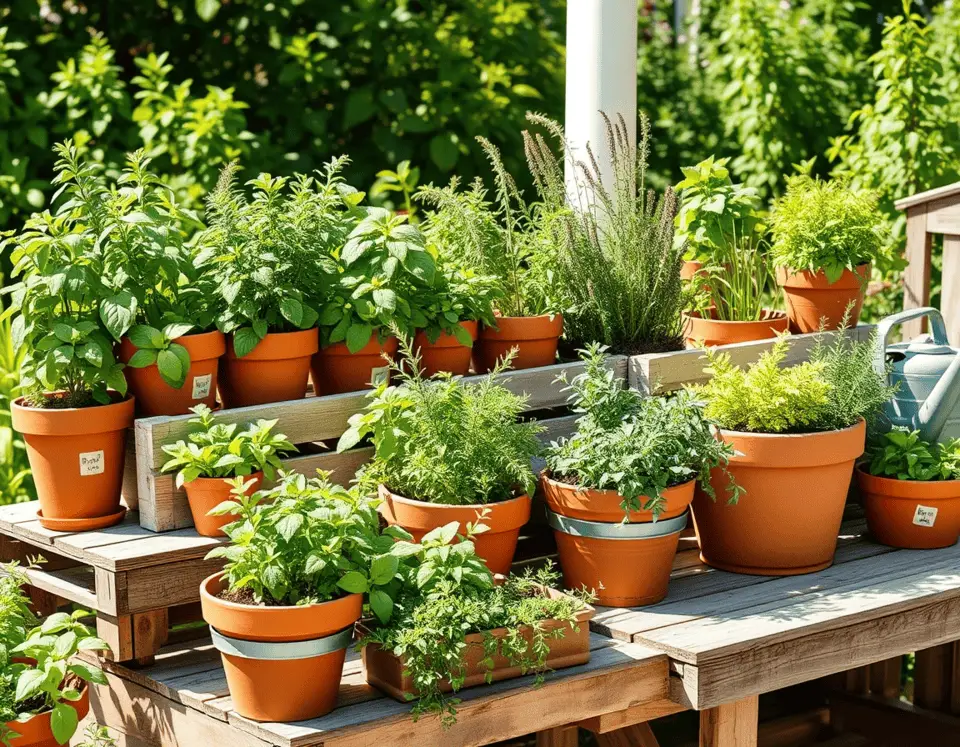
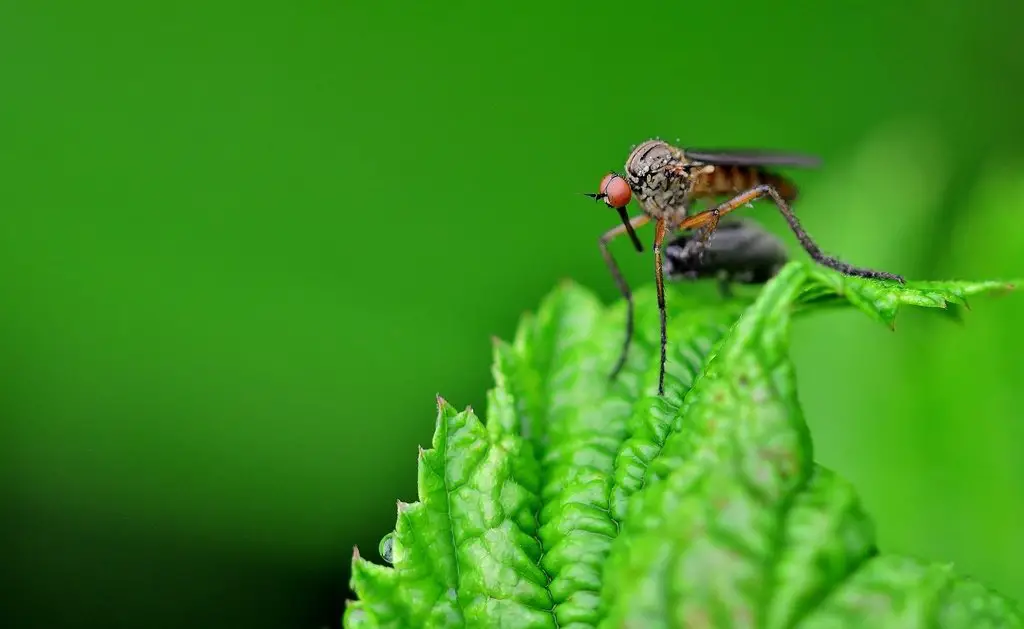
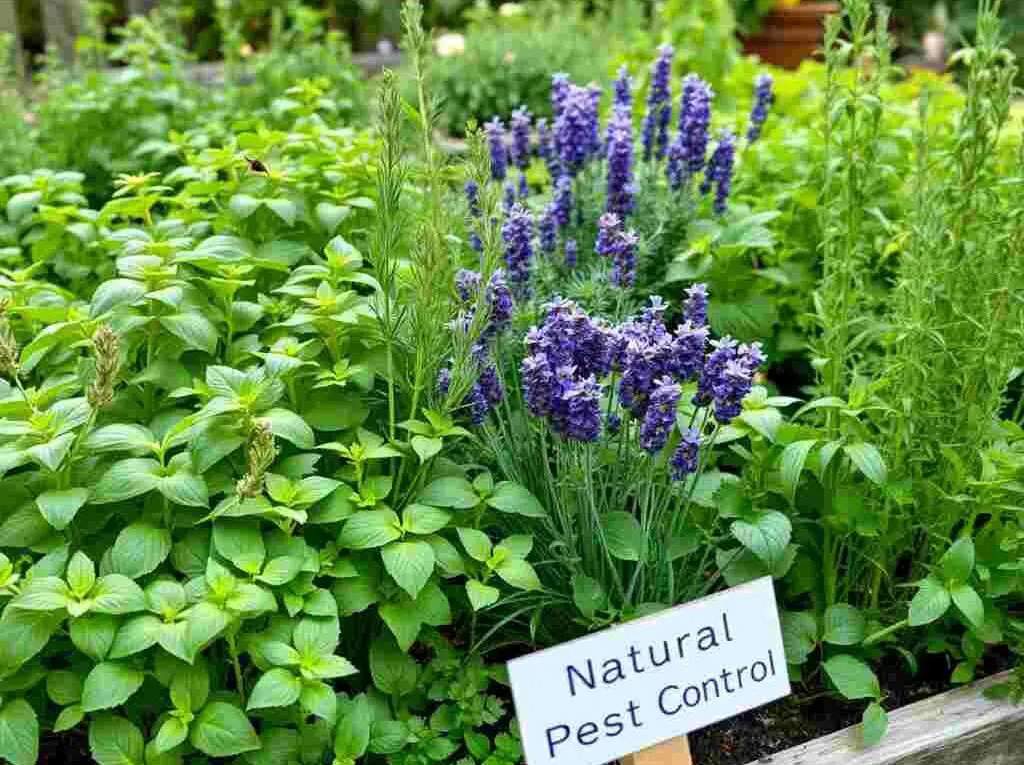
Mastering companion planting with herbs that deter pests allows growers to establish an active, chemical-free bio-defense perimeter across edible crop systems. Strategic interplanting leverages aromatic volatile organic compounds to disrupt the olfactory receptors of destructive insects while simultaneously attracting predatory species.
Deploying targeted herb species creates layered ecological confusion that masks susceptible host vegetables from seasonal infestations. Implementing this systematic methodology transforms standard garden layouts into highly efficient, self-regulating polycultures.
Variety Selection and Core Differences
Selecting botanical cultivars with concentrated essential oil profiles ensures functional pest deterrence in the garden. Plants rich in monoterpenes and sesquiterpenes release chemical signals that overpower the volatile cues emitted by vulnerable fruiting vegetables.
A persistent gardening myth claims that growing related members of the Umbelliferae family, such as dill and fennel, alters the flavor of the current season’s foliage via cross-pollination. In reality, cross-pollination exclusively impacts the genetic traits and seed vigor of the subsequent generation, leaving current leaf flavors completely untouched.
In addition, invasive spreading herbs like spearmint and peppermint demand strict physical boundaries. Gardeners often rely on bottomless pots or shallow edging, but aggressive mint rhizomes easily dive beneath open barriers within two seasons. True containment demands a fully intact pot with drainage holes or a solid, deep-sunk root barrier installed twenty inches into the earth.
- Genovese basil emits linalool and eugenol to disorient tomato hornworms, thrips, and whiteflies.
- French thyme yields thymol to repel cabbage loopers and persistent flea beetles around brassicas.
- German chamomile produces bisabolol while attracting hoverflies and predatory wasps to hunt soft-bodied aphids.
- Greek oregano contains high carvacrol concentrations to deter spider mites and cucumber beetles across cucurbit rows.
Location and Soil Setup
Microclimate positioning governs the concentration of active volatile compounds within defensive herb tissues. Most culinary herbs require a minimum of six to eight hours of direct, unfiltered solar radiation each day to synthesize high levels of insect-repelling oils.
Container cultivation requires a sterile, well-aerated medium with superior pore space. You must use a loose, premium soilless potting mix composed of coconut coir, peat moss, and perlite, while strictly avoiding native topsoil or loam that compresses in pots and suffocates root systems.
In-ground planting zones require a balanced loam structure with exceptional drainage capacity. Amend native soil so that finished organic amendments never exceed 40 percent of total volume, preventing root rot and excessively lush, weak foliage. An optimal physical soil blend for in-ground pest defense stations follows:
- 50 percent native garden loam
- 30 percent coarse builder sand or pumice
- 20 percent fully finished organic compost
Spacing and Planting Guidelines
Spacing protocols must balance defensive companion proximities with air circulation to suppress fungal pathogens like powdery mildew. Position companion herbs within twelve to twenty-four inches of target vegetables to maximize the disruption of pest olfactory patterns without choking crop canopies.
Proper sowing depth is critical and varies fundamentally across botanical species sizes. Large seeds like cilantro require a true quarter-inch soil burial to ensure sufficient darkness and consistent moisture during germination. Conversely, small, light-triggered seeds like German chamomile and sweet basil must be surface-sown completely uncovered, followed by a gentle press into damp soil.
An unorthodox backyard hack involves creating a mechanical friction collar using trimmed woody herb branches around tender brassica stems. Brushing or lightly pruning the foliage of basil or lavender during peak morning foraging hours immediately releases dense clouds of terpenes to repel arriving pests.
- Cilantro seeds planted one-quarter inch deep spaced eight inches apart along leafy greens.
- Basil seeds surface-sown completely uncovered spaced twelve inches apart alongside solanaceous crops.
- Thyme transplants spaced ten inches apart as living perimeter groundcover.
- Rosemary transplants spaced twenty-four inches apart at windward plot corners.
Watering and Nutritional Protocols
Moisture control directly influences the density of defensive aromatic resins inside leaf trichomes. Mild, controlled environmental stress often stimulates herbs to produce higher concentrations of essential oils without compromising overall plant vigor.
Implement a deep, infrequent irrigation schedule that allows the top two inches of substrate to dry out thoroughly between watering sessions. Overwatering dilutes aromatic sap, weakening the physical deterrence barrier and inviting soil-borne root pathogens into the bed.
Fertilizer applications must remain strictly limited to low-nitrogen formulas. Excessive nitrogen inputs trigger rapid cellular elongation, creating soft, watery tissue that actively attracts sap-sucking aphids while reducing volatile oil potency. Apply a balanced, slow-release organic fertilizer with an N-P-K ratio of 3-4-4 at half strength once per growing season.
Harvesting and Storage
Harvesting timing dictates both the culinary value and botanical defense longevity of your herb plantings. Gather leaves during mid-morning hours, immediately after morning dew evaporates but before intense afternoon heat volatilizes precious essential oils.
Always use clean, bypass pruning shears to avoid crushing vascular stems during harvest cuts. Strip never more than one-third of total foliage volume in a single session, ensuring sufficient photosynthetic surface remains to fuel continued pest deterrence.
Food safety sanitation is mandatory prior to preserving your herbal harvest for long-term kitchen storage. Thoroughly wash the fresh harvest and dry the leaves completely with a salad spinner or paper towels to eliminate soil-borne bacteria before packing or storing.
For an expert culinary processing method, blend chopped deterrent herbs into compound finishing butters or pack them into silicone trays submerged under extra-virgin olive oil for freezing into single-use cooking cubes. Dehydrating leaves in a dark, climate-controlled space below 95 degrees Fahrenheit preserves delicate terpenes for robust, year-round flavor.