Will Squirrels Eat Herb Plants? The Ultimate Shock-Free Defense Guide
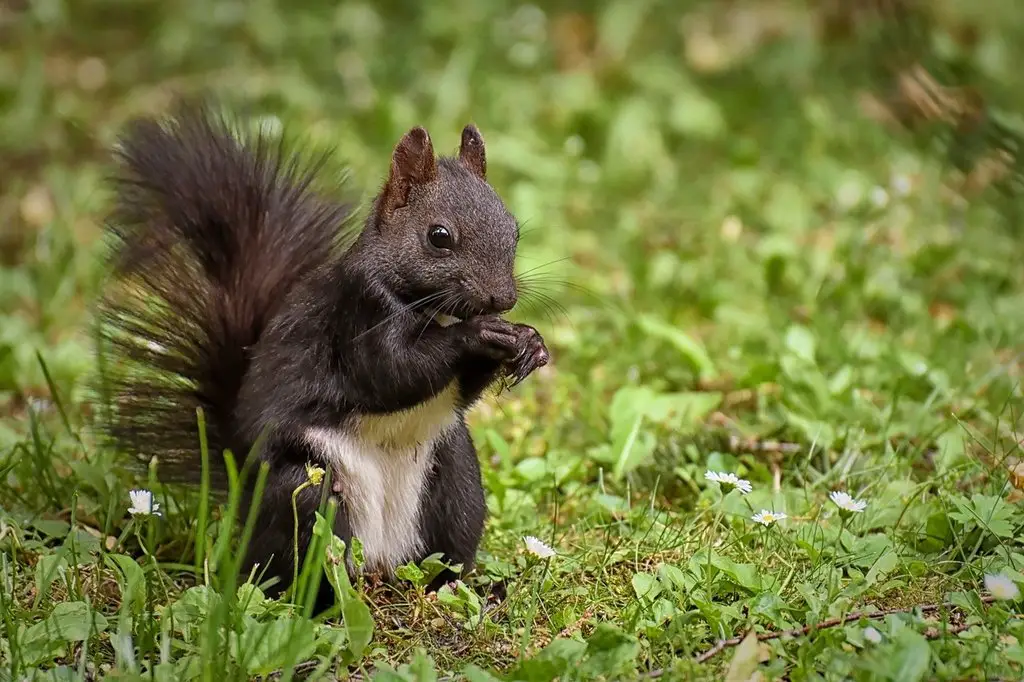
Many gardeners wonder will squirrels eat herb plants when designing an edible backyard sanctuary. These agile foragers are opportunistic omnivores that frequently target lush, moisture-rich greens during hot or dry periods.
Understanding which botanical varieties deter foraging rodents is the foundation of a thriving, productive harvest. With proper structural barriers and correct horticultural techniques, you can easily safeguard your edible greens against persistent backyard pests.
Variety Selection and Core Differences
Squirrels choose targets based on cellular moisture content, leaf tenderness, and aromatic intensity. Tender annual herbs with low terpene profiles attract rodents, whereas strongly scented perennial herbs naturally repel them.
Understanding these botanical differences helps you choose the right companion defense:
- Vulnerable species include sweet basil, flat-leaf parsley, cilantro, succulent dill, chervil, and French tarragon.
- Naturally resistant varieties include upright rosemary, common thyme, Greek oregano, culinary sage, lavender, and peppermint.
- Highly deterrent companion herbs feature dense concentrations of essential oils containing camphor, thymol, and menthol.
A widespread gardening myth claims squirrels consume herbs out of sheer malice or destructive hunger. In reality, squirrels often strip tender foliage to acquire essential hydration during severe summer dry spells. They also harvest specific aromatic sprigs to sanitize their arboreal dreys against parasitic mites.
Location and Soil Setup
Site placement and physical soil architecture dictate both crop vigor and rodent access. Planting in raised garden beds or elevated wall containers lifts vulnerable foliage away from common ground-level foraging pathways.
For container gardening, always plant in a loose, premium soilless potting mix composed of sphagnum peat moss, perlite, and composted pine bark, while strictly avoiding dense native topsoil or loam. For permanent in-ground installations, establish a well-draining loam blueprint where compost or organic amendments never exceed 40 percent of total soil volume.
To stop foraging rodents from breaching your beds or caching acorns in your containers, implement these strict structural parameters:
- Line raised bed bottoms completely with 0.5-inch galvanized hardware cloth to halt tunneling pests from digging upward into the root zone.
- Maintain a clean 10-foot horizontal clearance zone between overhead tree branches, fences, or roof overhangs and your garden perimeters to cut off launching paths.
- Position elevated planters at a minimum physical height of 5 feet off the ground, or use slick plastic or metal baffling on support legs to prevent vertical climbing.
- Install motion-activated infrared water sprinklers along primary entry perimeters to startle and deter persistent intruders.
Strategic plant spacing prevents fungal congestion while creating dense olfactory barriers against foraging wildlife. Interplanting pungent perennial herbs directly alongside soft culinary greens confuses the keen olfactory senses of foraging rodents.
Follow these layout specifications when organizing your herb installation:
- Tender annual herbs: Space 12 to 18 inches apart to maximize natural airflow and sunlight penetration.
- Aromatic border herbs: Position 8 to 10 inches apart to create continuous perimeter scent walls.
- Young starter specimens: Install individual 0.5-inch wire mesh cloches measuring 12 inches wide by 18 inches high directly over young starts.
- Foliage Netting: Secure protective floating row netting at least 6 inches above foliage crowns using smooth wooden stakes.
An unorthodox backyard hack involves securing coarse river rocks or heavy pea gravel directly over exposed topsoil around plant stems. Squirrels dislike digging through rough stone textures, which immediately stops them from caching acorns in your cultivation containers.
Spacing and Planting Guidelines
Strategic plant spacing prevents fungal congestion while creating dense olfactory barriers against foraging wildlife. Interplanting pungent perennial herbs directly alongside soft culinary greens confuses the keen olfactory senses of foraging rodents.
Follow these layout specifications when organizing your herb installation:
- Space tender annual herbs 12 to 18 inches apart to maximize natural airflow and sunlight penetration.
- Position aromatic border herbs 8 to 10 inches apart to create continuous perimeter scent walls.
- Install individual 0.5-inch wire mesh cloches measuring 12 inches wide by 18 inches high over young starts.
- Secure protective floating row netting at least 6 inches above foliage crowns using smooth wooden stakes.
An unorthodox backyard hack involves securing coarse river rocks or heavy pea gravel directly over exposed topsoil around plant stems. Squirrels dislike digging through rough stone textures, which immediately stops them from caching acorns in your cultivation containers.
Watering and Nutritional Protocols
Hydration management plays a direct role in minimizing pest damage across your beds. Providing a dedicated shallow water station on the far boundary of your property diverts thirsty rodents away from succulent plant stems.
Water your herbs early in the morning directly at the root zone rather than overhead spraying. Morning hydration ensures optimal turgor pressure within plant stems while allowing soil surfaces to dry completely before nightfall.
Apply nutritional amendments tailored for pest deterrents:
- Apply dried blood meal fertilizer around planting perimeters as a high-nitrogen scent deterrent.
- Strictly avoid bone meal soil amendments, because the scent actively attracts scavenging rodents.
- Feed active foliage monthly with a balanced organic liquid kelp fertilizer at half strength.
- Dust damp soil surfaces biweekly with pure food-grade cayenne pepper powder after heavy rainfall.
Harvesting and Storage
Harvest your culinary herbs frequently before floral buds mature into fully developed seed heads. Ripening seeds release volatile lipid compounds that attract foraging rodents from significant distances across the neighborhood.
Always use clean, bypass pruning shears to make clean 45-degree angle cuts directly above a vigorous leaf node. Regular trimming stimulates dense lateral branch development, which produces compact, resilient plants that are significantly easier to protect.
Follow strict sanitation protocols to ensure food safety:
- Submerge freshly cut herb stems in cold, running tap water immediately after harvesting.
- Dry the harvested leaves completely using a salad spinner or clean paper towels to eliminate soil-borne bacteria.
- Store whole stems upright in fresh water inside clean glass jars loosely covered with glass containers.
- Pack dried leaves into airtight glass mason jars placed in a cool, dark pantry.