How to Plant and Grow Mexican Oregano: A Growers Guide!
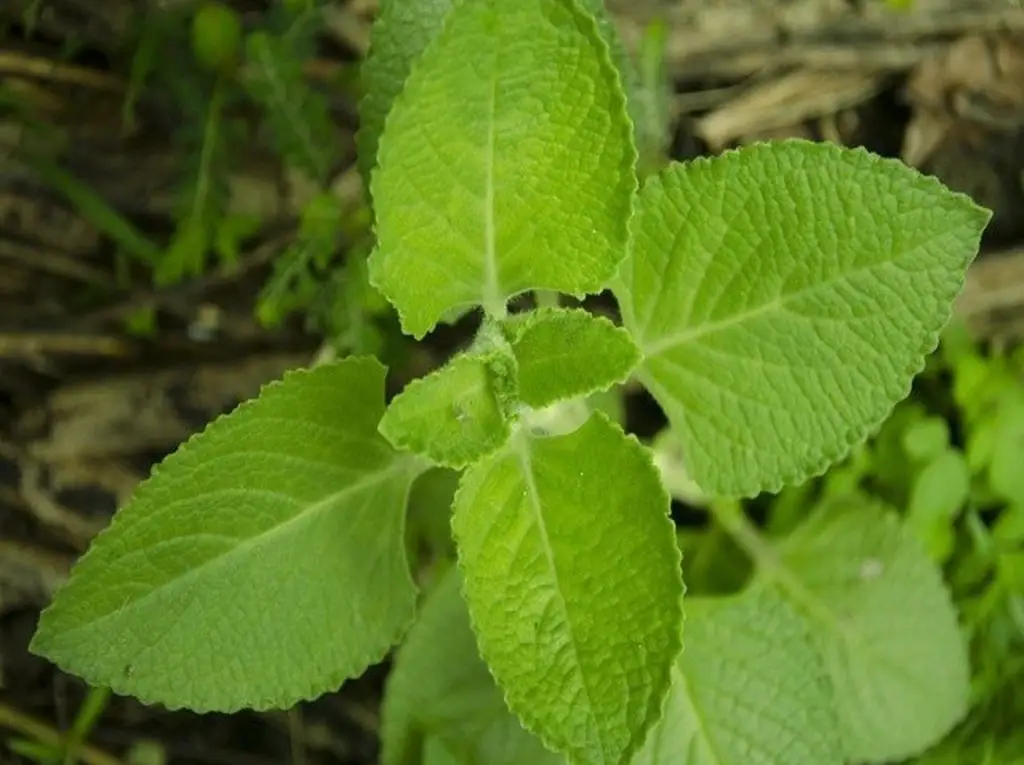
Cultivating Mexican oregano in your home garden unlocks an intense, citrus-forward profile that standard Mediterranean culinary herbs cannot replicate. This woody perennial shrub produces aromatic foliage packed with essential oils that thrive under intense heat and dry conditions.
Unlike traditional garden herbs, this powerhouse plant demands minimal intervention once established in the proper environment. Following precise soil, watering, and processing protocols ensures a massive yield of robust leaves for your kitchen.
Variety Selection and Core Differences
A common botanical myth assumes Mexican oregano is simply a regional cultivar of standard oregano. In reality, Mediterranean oregano belongs to the mint family (Lamiaceae), whereas authentic Mexican oregano (Lippia graveolens) belongs to the vervain family (Verbenaceae).
This taxonomic divergence gives the plant its distinct high concentration of thymol and limonene, creating an assertive, citrusy undertone rather than a sweet mint flavor. Another persistent gardening myth claims that growing these related species nearby will cross-pollinate and ruin leaf flavor.
Cross-pollination exclusively impacts the genetic traits and seeds of the next generation’s crop. It never alters the flavor, aroma, or chemical profile of the current season’s leaves. For the highest culinary potency, select true Lippia graveolens nursery cuttings or authenticated seed stock.
- Essential oil profile dominated by bold thymol, carvacrol, and citrusy limonene
- Vervain family botanical classification producing a woody, multi-stemmed perennial shrub
- Heat tolerance rating adapted to extreme arid zones and rocky landscapes
Location and Soil Setup
Selecting the right planting site requires maximizing direct thermal exposure while guaranteeing rapid water drainage. Situate your plants where they receive a minimum of six to eight hours of direct, unfiltered daily sunlight.
For container gardening, strictly avoid heavy native garden soil or field loam because they compact rapidly and suffocate root structures. Fill planters with a loose, coarse, premium soilless potting mix engineered specifically for high aeration and fast drainage.
When constructing in-ground garden beds, implement a loam-based blueprint where natural mineral soil provides stability. If amending heavy garden earth, strictly ensure that organic amendments never exceed 40 percent of the total soil volume to prevent moisture retention and root rot.
- 50 percent coarse horticultural sand or perlite for maximum drainage
- 30 percent loose peat moss or coco coir base
- 20 percent aged organic compost for sustainable mineral delivery
- Soil pH maintained in a balanced range between 6.0 and 7.5
Spacing and Planting Guidelines
Mexican oregano grows into a sprawling, semi-woody shrub reaching up to four feet in height and width. Proper spacing between branches promotes air circulation and prevents fungal pathogens during humid summer stretches.
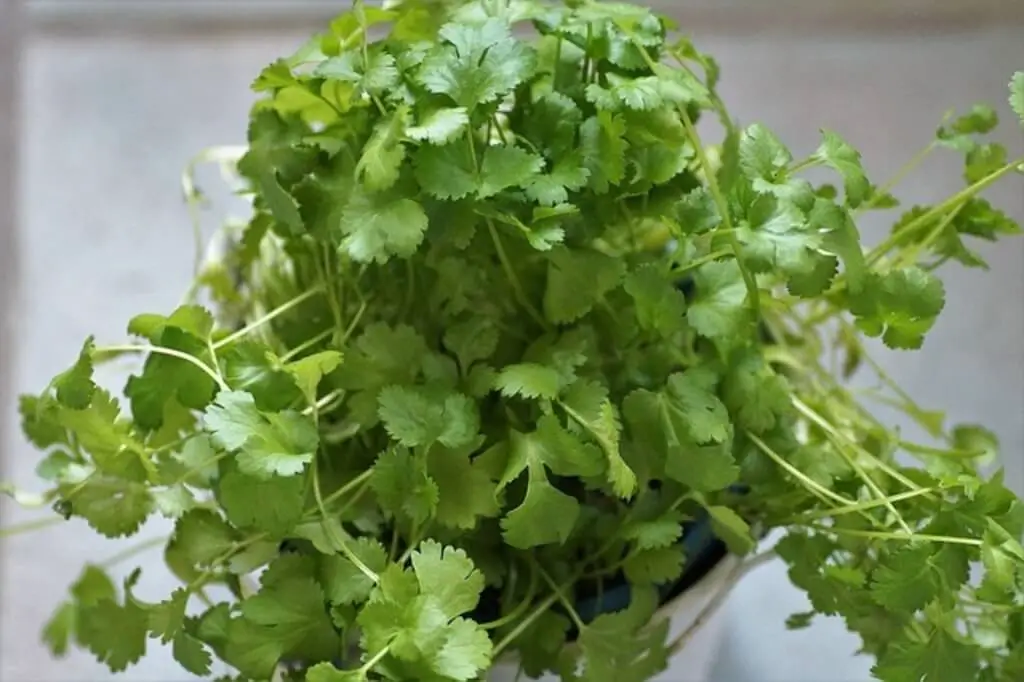
When starting from seed, precise sowing depth is critical for successful germination. Unlike large seeds such as cilantro that require a true quarter-inch soil burial, Mexican oregano seeds are tiny and light-triggered, requiring surface sowing with zero soil covering.
Press the tiny seeds gently onto damp propagation mix and maintain ambient warmth around 70 degrees Fahrenheit. For propagation via softwood cuttings, take four-inch terminal stems in spring and strip the bottom leaves.
While soft-stemmed annuals like basil root easily in water, woody and semi-woody shrubs from the Verbenaceae family are highly prone to vascular cell collapse and rot when submerged in stagnant water. The verified professional standard is to root Mexican oregano cuttings in a solid, sterile, and highly aerated medium like damp perlite, coarse sand, or a vermiculite mix before potting.
- 8 to 14 days average germination window under continuous surface light to establish uniform emergence.
- 24 to 36 inches of horizontal spacing between mature in-ground shrubs to ensure uniform air circulation.
- 12 to 14-inch minimum pot diameter for standalone container plantings to allow structural wood stabilization.
Watering and Nutritional Protocols
Mexican oregano thrives on deliberate moisture discipline rather than frequent irrigation cycles. Allow the entire root zone to dry out completely between waterings to mimic its native semi-arid desert habitat.
Implement an unorthodox backyard hack known as heat-sink rock mulching around the root crown. Placing light-colored granite gravel or terracotta shards across the soil surface reflects heat up into the canopy while preventing stem moisture accumulation.
Over-fertilization quickly ruins this herb by diluting the pungent essential oils that define its flavor. Withhold high-nitrogen chemical feeds, as excess nitrogen forces rapid, flavorless vegetative growth that weakens the plant structure.
- Deep soaking once every 10 to 14 days for established in-ground plantings
- Complete dry-down cycles between waterings for container specimens
- Single top-dressing of organic worm castings applied each spring
Harvesting and Storage
Begin harvesting branches once the shrub reaches at least twelve inches in height with established woody stems. Prune during early morning hours after dew has dried but before midday heat evaporates volatile aromatic oils.
Strict food safety sanitation is mandatory prior to preserving your harvest for long-term storage. Thoroughly wash the fresh harvest and dry the leaves completely with a salad spinner or paper towels to eliminate soil-borne bacteria before packing.
Dry entire stems in a warm, dark space with plenty of airflow until leaves turn brittle. Utilize the traditional restregado processing technique by rubbing dried branches directly between your palms to crush whole leaves cleanly off the woody stems before sealing.
- Wash and dry leaves fully with paper towels before preservation
- Strip crushed foliage away from woody stems using palm friction
- Store finished dried herbs in airtight glass jars in a dark pantry