Herbs You Can Grow Indoors Year Round: The Ultimate Guide
Cultivating culinary herbs you can grow indoors year round gives you immediate access to vibrant, nutrient-dense aromatics regardless of the freezing temperatures or scorching heat outside. Establishing a thriving kitchen container garden lowers your grocery bills while ensuring your pantry remains constantly stocked with clean ingredients.
Successful indoor herb production relies on disciplined environmental management rather than luck or a natural green thumb. Understanding proper botanical categorization, soilless media formulations, and precision watering methods guarantees abundant harvests in any living space.
Variety Selection and Core Differences
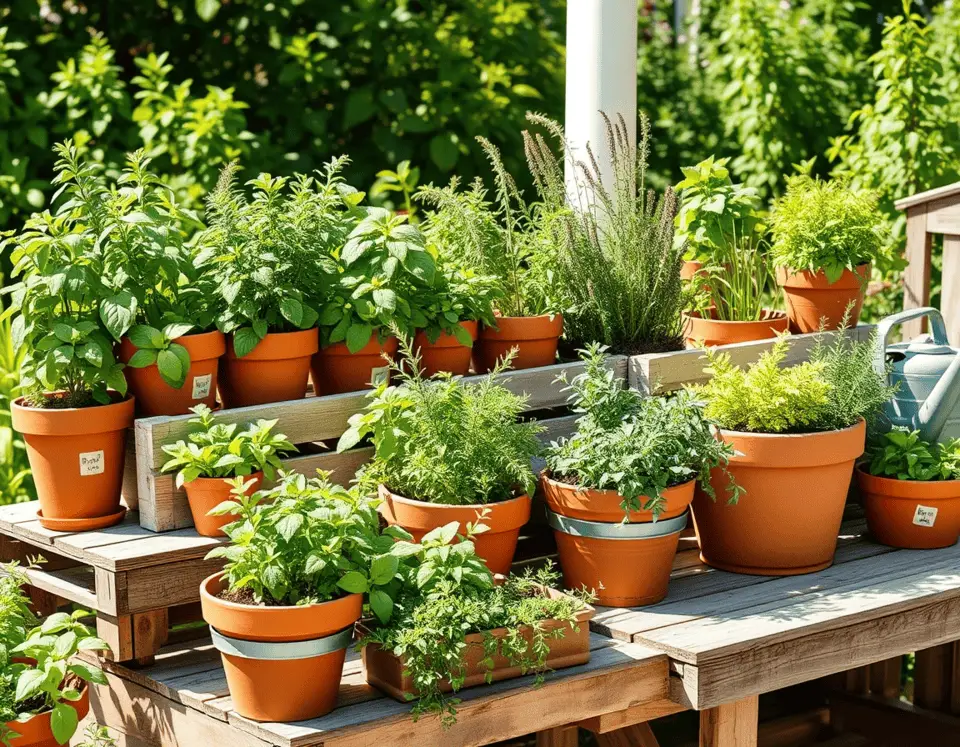
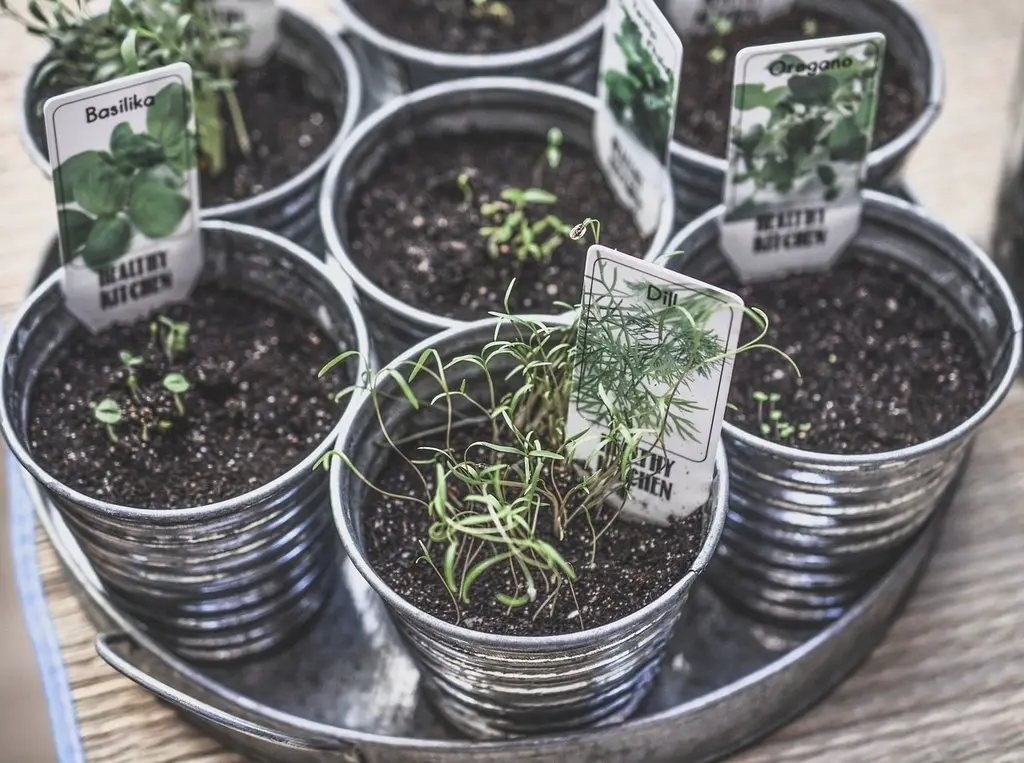
Indoor herbs divide cleanly into woody Mediterranean perennials and tender moisture-loving annuals. Perennials such as rosemary, common thyme, Greek oregano, and culinary sage require intense light, lower ambient humidity, and rapid root drainage. Soft annuals like Genovese basil, Italian flat-leaf parsley, dill, and cilantro flourish under consistent moisture and fast nutrient cycles.
A common gardening myth suggests that growing related aromatic herbs together alters or spoils current foliage flavor through cross-pollination. In botanical reality, cross-pollination only affects the genetics of the next generation of harvested seed, leaving your current leaves entirely unaffected. You can safely cluster diverse culinary varieties together on the same grow shelf without altering their distinct flavor profiles.
Group your indoor containers according to these strict operational classifications:
- Mediterranean group: Rosemary, common thyme, Greek oregano, and culinary sage
- Moisture-loving group: Genovese basil, flat-leaf Italian parsley, and cilantro
- High-spread rhizomes: Peppermint and spearmint grown strictly isolated
Location and Soil Setup
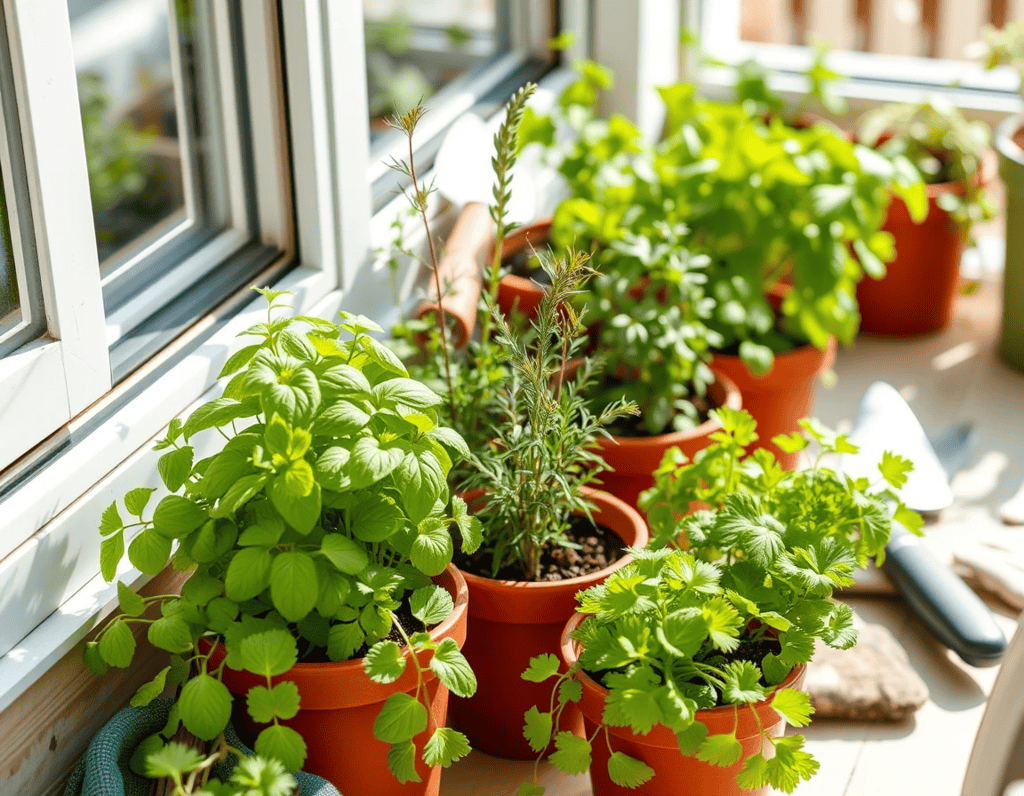
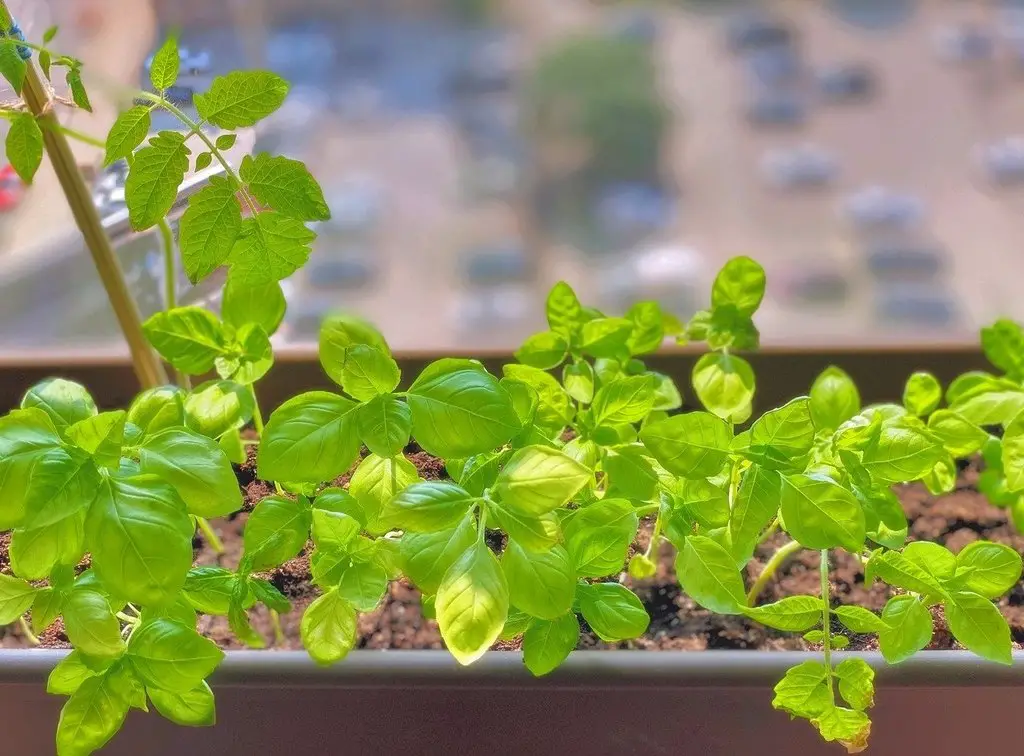
Indoor herbs demand a baseline of six hours of direct sunlight from an unobstructed south-facing window, or twelve to fourteen hours under high-efficiency grow lights. Position full-spectrum lighting fixtures roughly four to six inches above the plant canopy to prevent weak, elongated stems. Gentle airflow from a small oscillating fan strengthens structural cell walls and prevents fungal gnats from colonizing the surface.
Potted container cultivation strictly requires a sterile, premium soilless potting mix to ensure adequate root oxygenation. You must never introduce native topsoil or outdoor garden loam into indoor containers because heavy soils quickly compact, creating anaerobic zones that suffocate root systems. Furthermore, avoid the persistent myth of adding loose gravel or broken pottery shards to the base of containers; this creates a perched water table that pushes stagnant water right into the root zone.
Build an optimal indoor potting substrate by blending the following precise volumetric components:
- 60 percent sphagnum peat moss or washed coconut coir
- 20 percent coarse horticultural perlite
- 20 percent fine vermiculite or screened worm castings
Spacing and Planting Guidelines
Seed sowing depth must reflect the physical morphology of the specific botanical variety. Large seeds like cilantro require burial under a full quarter inch of moist substrate to trigger germination. In contrast, tiny, light-dependent seeds such as basil and thyme must be surface-sown and pressed gently into the substrate without covering soil.
Aggressive rhizomatous herbs such as spearmint and peppermint demand absolute physical isolation inside closed containers. Many gardeners mistakenly use open-bottom barrier sleeves, but running mint rhizomes quickly dive underneath open boundaries within a few months. Plant your spreading mints in separate, dedicated pots with intact plastic or glazed walls to protect your other herb roots.
Maintain these physical container dimensions to support healthy root development:
- Single Mediterranean perennial: 8-inch diameter pot with an 8-inch depth
- Clumping chives or parsley: 6-inch diameter pot with a 6-inch depth
- Taproot varieties like dill: Deep container with a minimum 10-inch depth
Watering and Nutritional Protocols
Improper irrigation remains the leading cause of indoor herb mortality. Always check that the top inch of potting media is completely dry before applying room-temperature water directly around the base of the plant. A reliable indoor hack is bottom-wicking, where you set containers in a shallow water tray for twenty minutes to hydrate lower root zones without saturating top foliage.
Indoor potted plants require light, continuous fertilization to support leaf growth without sacrificing flavor. Applying excess synthetic nitrogen forces fast, watery vegetative growth that severely dilutes essential oil concentrations and ruins culinary taste. Flush container soil with clean water every two months to wash away accumulated mineral salts.
Follow this measured nutritional and care routine:
- Active growth feeding: Half-strength balanced organic liquid kelp every fourteen days
- Winter dormant feeding: Dilute organic fish hydrolysate applied once every six weeks
- Hydration check: Moisture testing using finger depth assessment twice weekly
Harvesting and Storage
Routine clipping encourages lateral branching and prevents plants from setting premature flower stalks that turn leaves bitter. Always follow the one-third rule by never cutting more than thirty percent of total foliage volume during a single harvest session. Make clean cuts directly above a set of active leaf nodes using sharp, sterilized micro-tip pruning shears to drive dense vegetative growth.
Food safety sanitation is an absolute requirement before preserving your kitchen harvest. Thoroughly wash the fresh harvest under cold running water, and dry the leaves completely with a salad spinner or paper towels to eliminate soil-borne bacteria before storage. Trapped surface moisture invites destructive fungal mold and accelerates decay.
Preserve volatile botanical essential oils through these specialized processing methods:
- Whole leaf freezing: Pack dry leaves into silicone trays, submerge in extra virgin olive oil, and freeze solid
- Compound butter preparation: Fold minced aromatics into unsalted European butter and roll tightly in parchment paper
- Short-term storage: Place stem ends into two inches of fresh water covered loosely with a breathable bag