Herbs That Grow Well Together in the Same Pot! Grow Guide
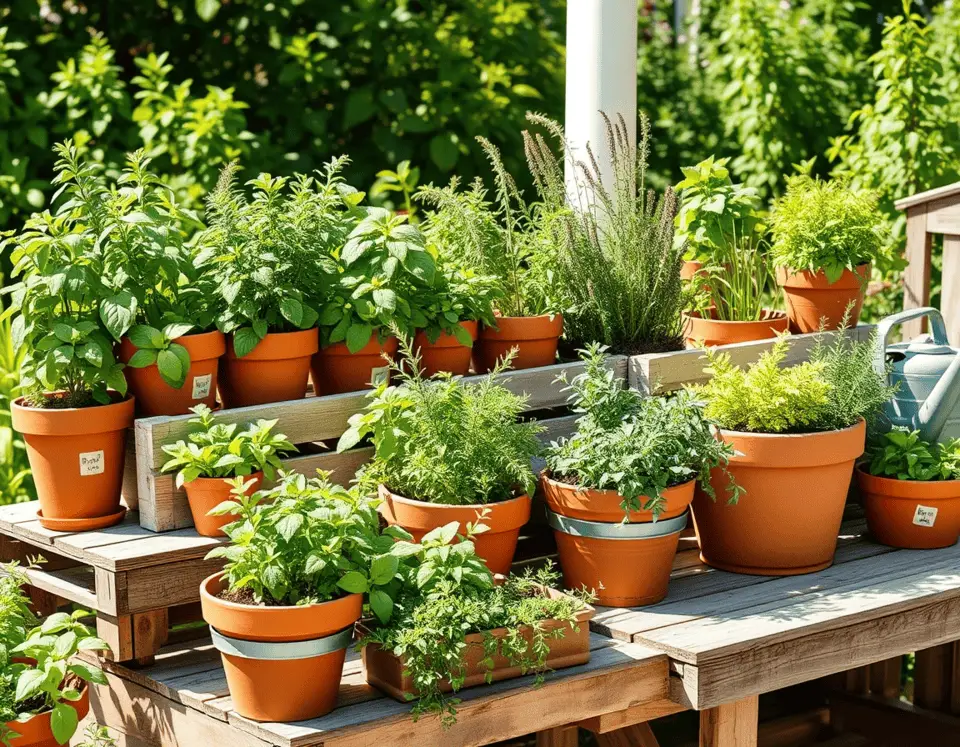
Selecting the right herbs that grow well together in the same pot allows you to maximize limited balcony or windowsill space while boosting overall plant vitality. Grouping culinary herbs according to their physiological demands prevents common container problems like root rot and stunted growth.
By understanding moisture, light, and root architecture, you can craft productive mini-ecosystems in a single vessel. This guide provides the scientific principles and practical steps needed to cultivate thriving container pairings.
Variety Selection and Core Differences
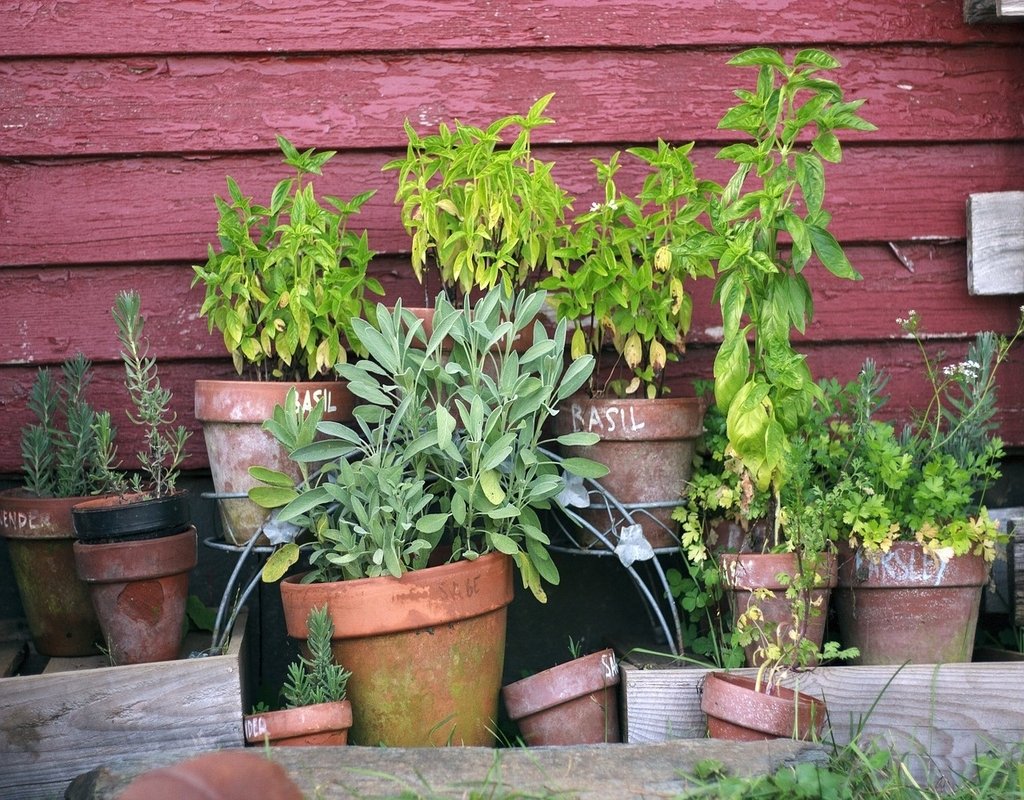
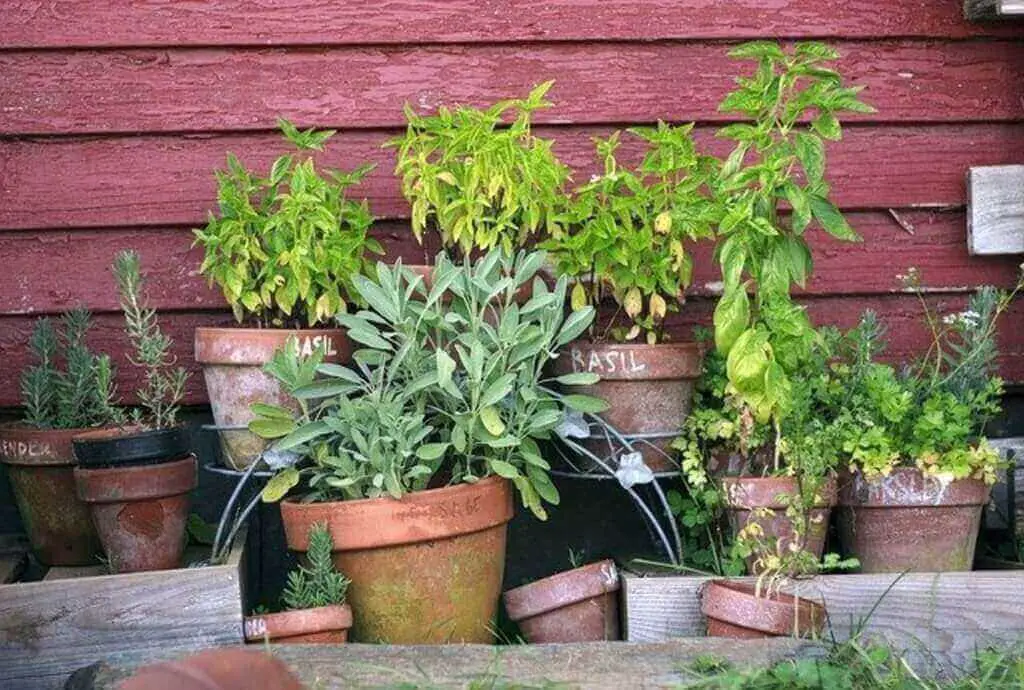
Successful multi-herb containers depend entirely on pairing species with identical metabolic rates and water requirements. Mediterranean woody perennials, such as rosemary (Rosmarinus officinalis), common thyme (Thymus vulgaris), and culinary sage (Salvia officinalis), share a preference for dry root zones and low nutrient levels.
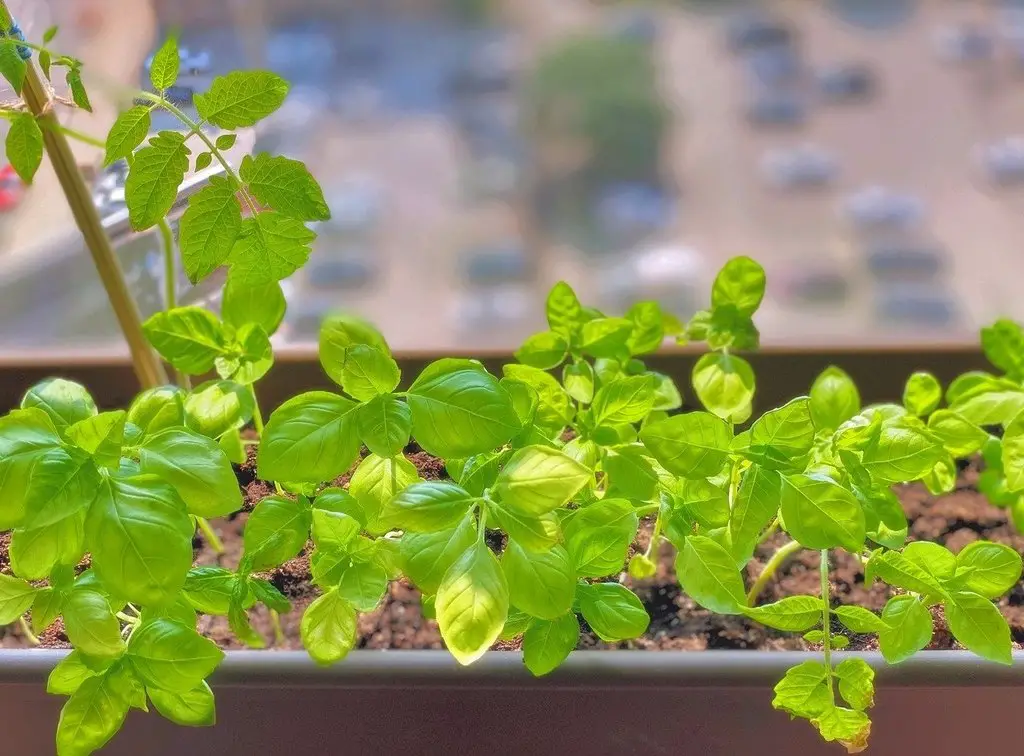
In contrast, soft-stemmed annuals and biennials like sweet basil (Ocimum basilicum), flat-leaf parsley (Petroselinum crispum), and cilantro (Coriandrum sativum) require consistent hydration and richer nutrition. A common gardening myth suggests tying roots with string to grow moisture-loving parsley beside dry-loving rosemary. This practice strangles the vascular cambium and leads to rapid root mortality.
Instead, group your plants into distinct ecological zones:
– Mediterranean group: Rosemary, garden sage, culinary thyme, and winter savory
– Moisture-loving group: Sweet basil, Italian flat-leaf parsley, and common chives
– Cool-season group: Coriander (cilantro) and French chervil
Location and Soil Setup
Never use native topsoil or garden loam in container gardens. Dense topsoil compacts rapidly within confined containers, suffocating fine root hairs and trapping stagnant water.
Always use a high-porosity, soilless potting substrate to ensure rapid drainage and optimal aeration. Mediterranean herbs require enhanced drainage, whereas moisture-loving groups benefit from higher organic retention.
Assemble your custom container substrate using these specific volume ratios:
– Soilless base: 50 percent professional peat moss or coconut coir
– Aeration component: 30 percent coarse horticultural perlite or pumice
– Organic nutrition: 20 percent screened worm castings or aged compost
Position the container in a location that receives at least six to eight hours of direct sunlight daily. Cool-season pairings like chervil and cilantro perform best with morning sun and light afternoon shade.
Spacing and Planting Guidelines
Container volume dictates root development and final foliage yield. For a multi-herb arrangement, select a container measuring at least 12 to 14 inches in diameter and 10 to 12 inches deep.
Ensure the pot features multiple functional drainage holes at the base. Maintain a minimum spacing of six to eight inches between individual plant crowns to promote active airflow and reduce fungal pathogens.
Execute the planting process using the following step-by-step blueprint:
– Inspect nursery root balls and gently massage compacted external roots outward
– Fill the container base with your dry soilless mix, leaving four inches of upper headroom
– Set the tallest specimens near the center and cascading varieties around the rim
– Backfill the remaining substrate up to one inch below the container rim to create a watering reservoir
Watering and Nutritional Protocols
Water management must match the transpiration rate of your chosen herb guild. For soft leafy herbs, apply water when the top inch of substrate feels dry to the touch.
For Mediterranean containers, allow the top two to three inches to dry completely between watering cycles. Feed active containers every three weeks with a balanced, water-soluble organic fertilizer diluted to half strength.
Follow these parameters to avoid root issues:
– Target substrate pH: 6.0 to 6.8 for optimal nutrient availability
– Watering schedule: Saturate until water drains freely from the base
– Backyard hack: Insert a small, unglazed porous terracotta divider into the substrate to establish separate wet and dry micro-zones within one pot
Harvesting and Storage
Harvest herbs during early morning hours when essential oil concentrations reach their daily peak. Use sanitized bypass shears to prune terminal stems just above a healthy leaf node to stimulate secondary branching.
Food safety requires rigorous post-harvest sanitation before culinary use or preservation. Thoroughly wash the fresh harvest in cold water, and dry the leaves completely with a salad spinner or clean paper towels to eliminate soil-borne bacteria.
Store soft herbs like basil and parsley with their cut stems submerged in fresh water at room temperature. Preserve woody herbs like thyme and rosemary by freezing them in olive oil or air-drying them in dark, well-ventilated rooms.