Which Herbs Are Safe for Dogs? A Guide for Pet Owners!
Affiliate Disclosure: As an Amazon Associate, diyherbgardener.com earns from qualifying purchases. If you click a link and buy a product on Amazon, I may receive a small commission at no extra cost to you.
Navigating the green world of gardening while maintaining a happy, healthy hound means understanding which herbs are safe for dogs before you plant that next batch of basil. Dogs are notorious for investigating the world through their mouths, making your indoor garden or backyard patch an accidental buffet for a curious canine. Let us dive into the ultimate, exhaustive guide to keeping your furry best friend safe while spicing up their routine.
Why Understanding Dog-Safe Herbs Matters
Unlike human food safety guidelines, canine toxicology requires a much stricter approach to backyard plant life. Dogs lack the specific liver metabolic enzymes required to safely break down certain volatile botanical compounds.
Real-world safety logs from online veterinary forums reveal that introducing the right kitchen botanicals appears to be safe and can help improve digestive patterns and freshen bad breath. However, pet owners over on the r/dogadvice community boards warn that failing to separate beneficial leaves from toxic varieties can result in severe organ stress or costly emergency veterinary visits.
Always cross-reference your yard inventory against clinical toxicity databases before allowing your four-legged companion near a new raised bed.
Dog-Safe Herbs You Can Grow With Confidence
The good news is that several common culinary staples double as fantastic, low-risk nutritional boosters for your four-legged family member. Real-world safety logs from online veterinary forums reveal that incorporating specific fresh, organic greens in strict moderation appears to be safe and may yield helpful wellness benefits.
Pet owners over on the r/dogadvice community boards warn that you must always ensure these plants are grown entirely without chemical pesticides or synthetic fertilizers. When in doubt, rinse the leaves thoroughly before letting your dog anywhere near them.
If you are looking to enhance your pet’s bowl safely, culinary greens like rosemary, thyme, and basil are generally considered safe alternatives that offer a great starting point. Adding these items to their routine provides a safe fiber boost, introduces natural antioxidants to their diet, and delivers a fresh burst of vitamins that supports overall vitality.
Basil: The Anti-Inflammatory Wonder
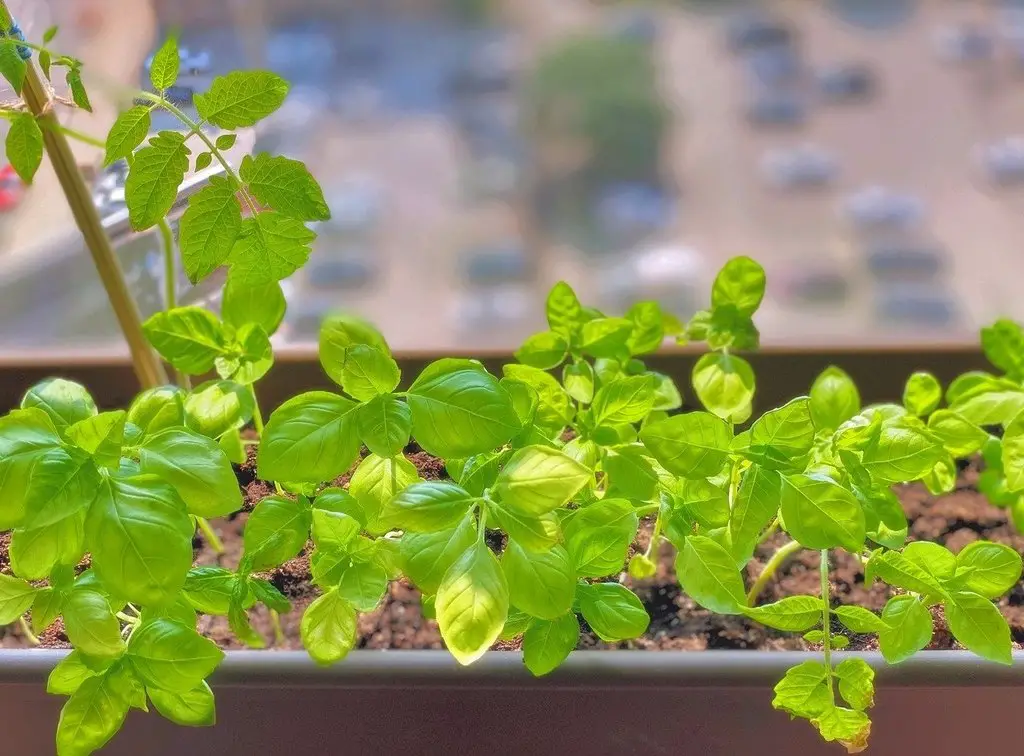
Basil is not just for your weekend margherita pizza. This aromatic leaf brings massive wellness perks straight to your dog bowl. Rich in antioxidants and natural anti-inflammatory agents, basil actively helps soothe joint pain and calm canine anxiety.
Simply chop up a single fresh leaf and mix it into their standard meal. When considering safe herb uses, alternatives like dried oregano or parsley flakes can also be explored in tiny quantities. Always observe your pet closely for any unusual digestive reactions after introduction.
Flat-Leaf Parsley: The Natural Breath Freshener
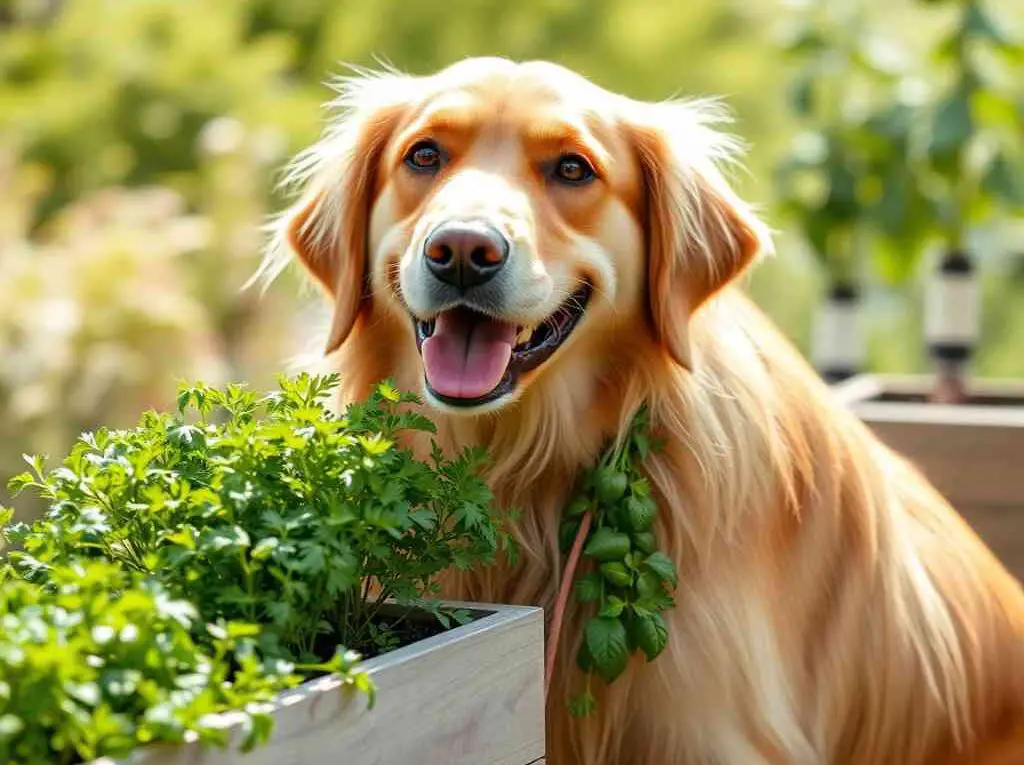
Say goodbye to foul doggy breath without resorting to chemical-laden dental chews. Fresh curly parsley appears to be safe in strict moderation and serves as an excellent natural option for supporting basic oral hygiene. The high concentration of natural chlorophyll helps neutralize odors right at the source while supporting healthy digestion.
Real-world safety logs from online veterinary forums emphasize sticking strictly to fresh curly parsley rather than flat-leaf or Italian varieties. Pet owners over on the r/dogadvice community boards warn that flat-leaf and spring parsley varieties contain significantly higher, toxic levels of furanocoumarins.
This specific dangerous compound can trigger intense skin inflammation, sunburn, and severe ocular toxicity in felines and canines.
Alternative breath-freshening choices include raw carrot sticks or specialized crunchy dental treats. Always cross-reference your specific yard species before letting your hound sample any greens from the garden, and start with just a tiny, finely chopped sprinkle mixed into their standard food bowls.
Rosemary: The Antioxidant and Flea Deterrent
Rosemary smells incredible and serves as a wonderful addition to homemade dog treats. Real pet parents on specialized forums note its remarkable ability to support cognitive function in aging dogs. Additionally, the robust aroma acts as a mild natural deterrent against fleas and ticks during outdoor walks.
A tiny pinch of finely minced rosemary is more than enough for a medium-sized dog. Alternative natural bug deterrents include diluted apple cider vinegar or coconut oil treatments. Always monitor your dog for skin sensitivities when trying new aromatic plants.
Cilantro and Mint: Digestion and Stomach Soothers
Cilantro is polarizing for humans, but dogs generally tolerate the flavor while reaping the internal rewards. It acts as a natural heavy metal detoxifier and supports overall gut health. Peppermint is another fantastic option for easing canine gas and travel-related nausea, provided you use only fresh leaves.
Never use concentrated essential oils or artificial mint flavorings. Alternative stomach-soothing options include plain pumpkin puree or boiled white rice. Always consult your veterinarian before administering botanical remedies for chronic digestive issues.
The Dangerous Botanicals: Herbs to Avoid at All Costs
While many plants are harmless, certain kitchen staples act as literal poison to dogs. Experienced owners on independent threads emphasize zero tolerance for the allium family. Chives, garlic, leeks, and onions destroy canine red blood cells, leading to severe and potentially fatal anemia. Never assume a small amount is safe when it comes to these toxic bulbs.
Pennyroyal and Nutmeg: Hidden Dangers
Pennyroyal is a member of the mint family, but it is intensely toxic and can cause catastrophic liver failure. Stay far away from pennyroyal essential oils or herbal preparations. Nutmeg, often found in spice and herb blends for baking, contains myristicin.
This compound induces dangerous hallucinations, disorientation, and dangerously high blood pressure in dogs. Alternative baking spices like cinnamon are generally safer, though still require careful portion control. Always store your spice racks securely out of your dog’s reach.
How To Safely Introduce Herbs To Your Dog’s Diet
Transitioning any new food into your dog’s daily routine requires patience and vigilance. Start by observing these community-vetted best practices:
- Begin with a microscopic pinch to test for baseline gastrointestinal tolerance.
- Monitor your dog for twenty-four hours for signs of vomiting, lethargy, or diarrhea.
* Always choose fresh, organic herbs over heavily concentrated dried flakes or powders.
Upgrading Your Pet’s Wellness With Trusted Supplements
If you prefer ready-made solutions over DIY kitchen gardening, investing in high-quality commercial supplements can save you time.
For an exceptionally reliable and veterinarian-approved daily wellness boost that supports overall vitality, check out this premium organic joint and digestion support formula on Amazon designed specifically for active canines.
Real-world safety logs from online veterinary forums reveal that utilizing these pre-measured commercial additions appears to be safe and can help maintain long-term mobility. Pet owners over on the r/dogadvice community boards consistently report a noticeable positive impact on daily gut health and hip stability when clean supplements are introduced to a hound’s diet.
When shopping for alternative wellness aids, always explore these top-rated natural calming chews to help your anxious pup navigate thunderstorms and fireworks safely. Community reviewers frequently highlight the clean ingredient profile and absence of artificial fillers as major winning points for sensitive stomachs.
Frequently Asked Questions About Dogs and Herbs
Can puppies consume fresh herbs? Yes, but their digestive tracts are far more delicate, so keep portions minuscule. What about herbal teas? Plain chamomile or rooibos tea can soothe an upset stomach, provided there is zero caffeine or added sweetener.
The golden rule of canine herbalism remains simple: when in doubt, consult your veterinarian before letting your dog graze. Protect your furry friend by keeping toxic plants locked away and sticking strictly to vet-approved greens.
Disclaimer: This information is for general educational purposes only and does not constitute veterinary medical advice. Always consult with your veterinarian or check authoritative online resource databases like the ASPCA toxic plants list before introducing new herbs to your dog’s diet.