Best Herbs for a Small Herb Garden You Will Actually Use
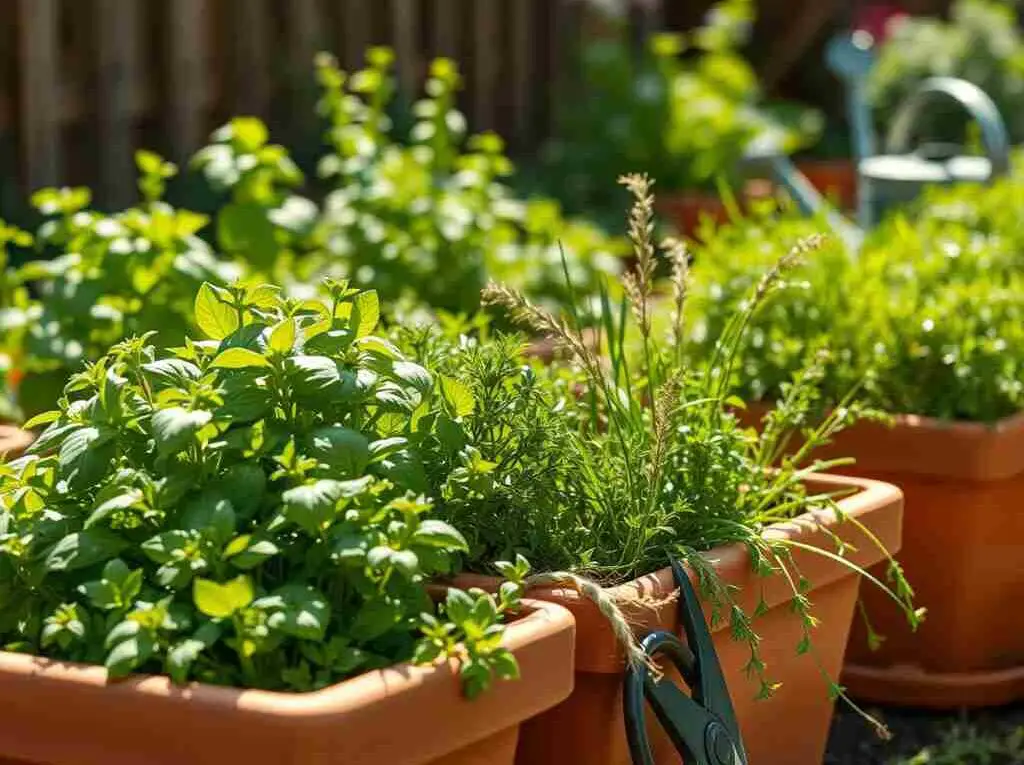
Selecting the best herbs for a small herb garden allows urban growers to maximize limited square footage while enjoying high-yield culinary harvests. Compact spaces like windowsills, balconies, and small patios offer controlled environments where high-value culinary plants can thrive.
Success relies on matching plant physiology to specific container dynamics rather than forcing full-sized plants into cramped spaces. Understanding light requirements, root architecture, and watering regimes prevents the common frustration of overcrowded and declining foliage.
Variety Selection and Core Differences
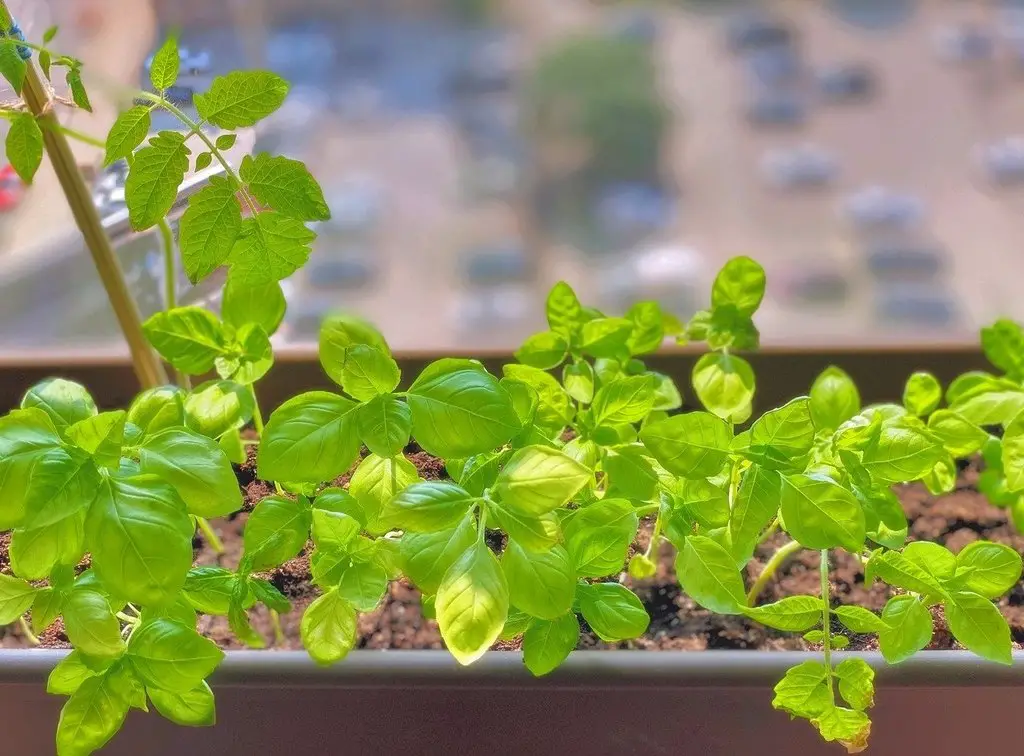
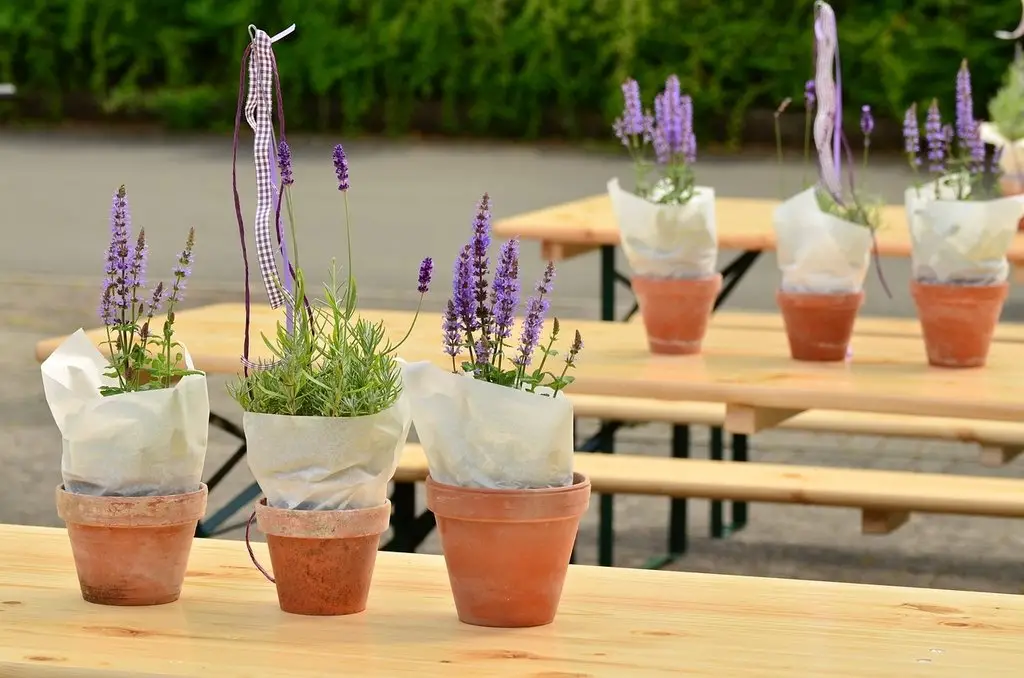
Bush basil cultivars such as Spicy Globe or Greek dwarf stay naturally compact and produce dense clusters of foliage without sprawling across neighboring pots. Chives grow vertically in tidy clusters, while compact Mediterranean perennials like English thyme and Greek oregano maintain low profiles that cascade over container rims.
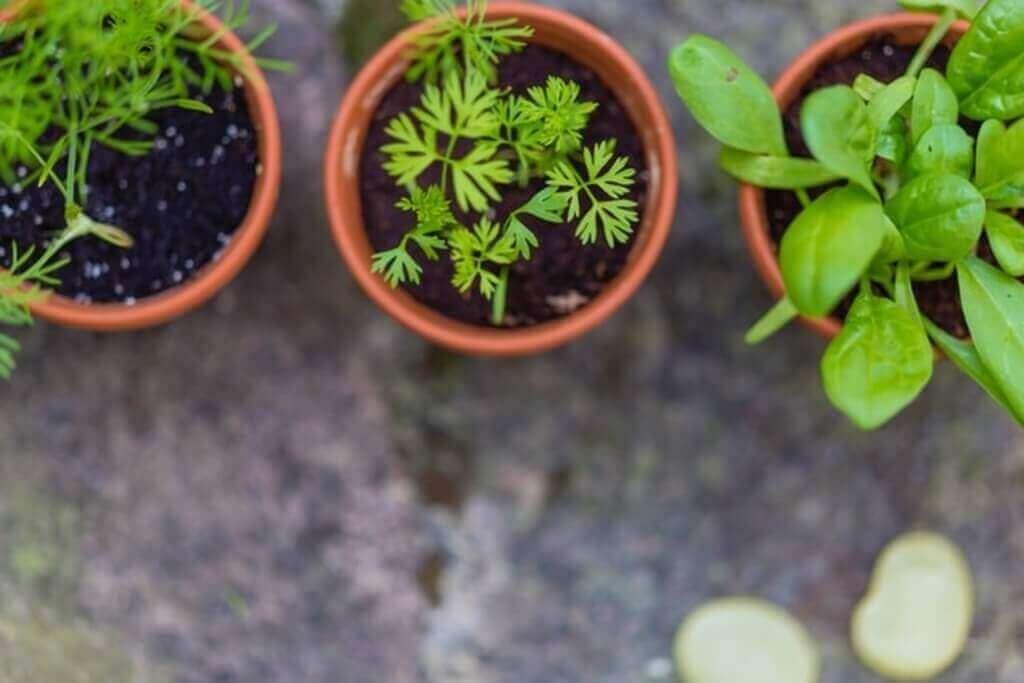
A pervasive gardening myth suggests that growing related species like parsley and cilantro side by side causes cross-pollination that ruins their culinary flavor. Botanical science dictates that cross-pollination among related plant families like the Umbelliferae family exclusively impacts the genetic traits and seeds of the next generation’s crop. It never alters the essential oils, aroma, or leaf flavor of the current season’s foliage.
Invasive herbs require strict physical isolation. Never rely on bottomless pots or open-bottom ground barriers for invasive spreaders like spearmint or peppermint. Aggressive rhizomes easily dive beneath open barriers within two seasons, meaning true containment requires a fully intact pot with drainage holes or a solid, deep-sunk root barrier.
Location and Soil Setup
Most culinary herbs require six to eight hours of direct daily sunlight to produce high concentrations of flavorful essential oils. A common myth claims that adding a layer of gravel to the bottom of small pots improves drainage. In container physics, this practice actually creates a perched water table that lifts standing water directly against tender roots, causing severe root rot.
For small container herb setups, you must use a loose, premium soilless potting mix and strictly avoid heavy native topsoil or garden loam. Compacted field soil suffocates container roots and introduces pathogens. Mix a dedicated growing medium using this precise structural blueprint:
- 60 percent coarse peat moss or coconut coir
- 20 percent agricultural-grade perlite
- 20 percent mature worm castings or screen compost
Ensure every vessel provides a minimum soil depth of 6 to 8 inches to accommodate fibrous root systems. An unorthodox backyard hack for dry balcony pots is to sink an unglazed clay olla spike into the center of the mix. This passive subsurface delivery system wicks moisture outward only as roots demand it, preventing surface evaporation losses.
Spacing and Planting Guidelines
Overcrowding containers quickly creates stagnant air pockets that foster botrytis and powdery mildew. Plants must be arranged strategically based on their ultimate mature canopy spreads. Establish proper physical clearance between each plant to maintain active airflow:
- 4 inches of spacing for narrow, upright alliums like chives
- 8 inches of spacing for dense leafy species like bush basil and flat-leaf parsley
- 12 inches of spacing for woody perennials like rosemary and prostrate thyme
Proper planting technique also hinges on seed biology. Never use a generic blanket depth when sowing herbs from scratch. Clearly separate large seeds like cilantro, which require a true quarter-inch soil burial to germinate in darkness, from small, light-triggered seeds like chamomile and basil.
Small seeds require direct optical exposure to natural light to initiate germination hormones. Surface-sow small seeds completely uncovered on top of the moist potting mix, pressing them gently with a flat timber block to secure direct soil contact without blocking ambient daylight.
Watering and Nutritional Protocols
Segregate your herbs into distinct hydration guilds to prevent watering errors. Mediterranean herbs like rosemary, thyme, and oregano thrive when the potting medium dries out completely between thorough saturations. Mesic herbs like basil, chives, and parsley demand consistent baseline moisture without waterlogged stagnation.
Over-fertilizing herbs is a critical mistake that results in large, flavorless leaves. Excessive synthetic nitrogen forces rapid cellular water expansion, which drastically dilutes volatile essential oils. Feed your plants using this controlled protocol:
- Dilute organic liquid kelp and hydrolyzed fish fertilizer to half strength
- Apply the nutrient solution once every three to four weeks during the active spring and summer cycle
- Discontinue all fertilizer applications during winter dormancy when metabolic activity slows
Prune early flower buds before reproductive stems turn woody. Once a plant bolts, chemical changes introduce bitter glycosides into the foliage that cannot be reversed by subsequent trimming.
Harvesting and Storage
Harvest foliage in the early morning immediately after the dew evaporates, which is when essential oil concentrations reach their daily peak. Use sharp micro-tip shears to execute clean 45-degree angle cuts above active leaf nodes. Never harvest more than one-third of the total foliage mass in a single session, or the plant will experience severe biological shock.
Before storing any culinary harvest, follow strict food safety sanitation protocols. You must thoroughly wash the fresh harvest under cold running water and dry the leaves completely with a salad spinner or paper towels to eliminate soil-borne bacteria before packing or storing. Residual moisture on stored leaves accelerates rot and encourages fungal contamination.
For prolonged culinary use, skip standard dehydration methods that degrade delicate terpenes. Use an expert culinary preservation hack by flash-freezing finely chopped herbs suspended inside silicone ice cube trays filled with pure extra virgin olive oil. This suspension technique preserves delicate aromatics and prevents freezer burn, yielding ready-to-use flavor bases for pan searing and sauces.