How to Grow Southernwood at Home: Beginner’s Guide
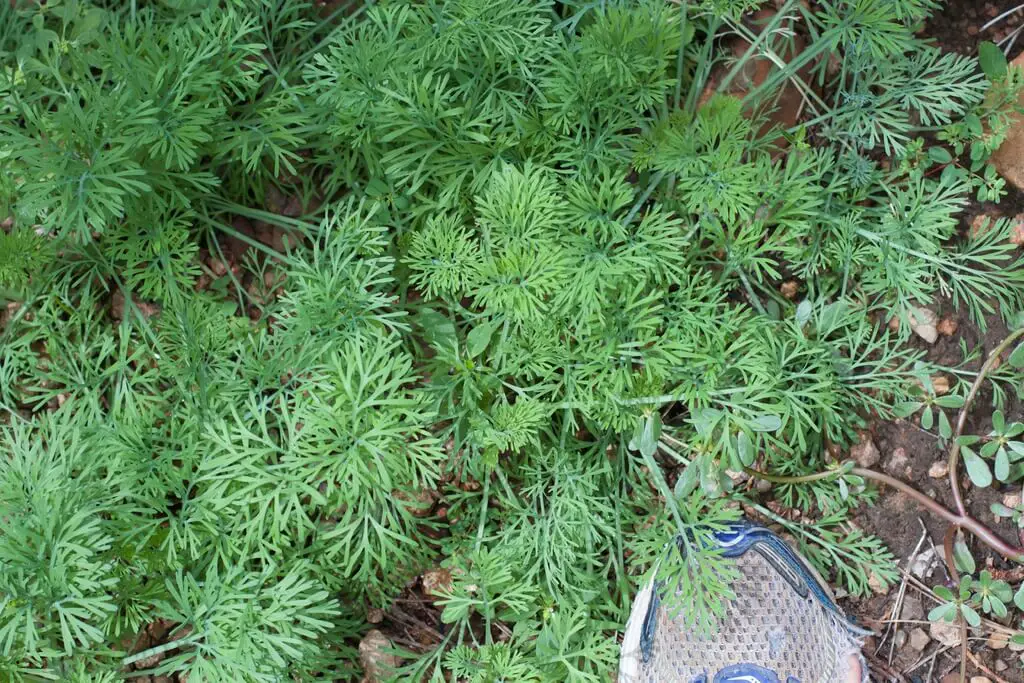
Learning how to grow southernwood at home allows you to establish an intensely aromatic, hardy perennial sub-shrub in your landscape. Botanically identified as Artemisia abrotanum, this European native delivers feathery, silver-green foliage along with exceptional natural insect-deterring properties.
Gardeners prize this resilient herb for its low-maintenance profile and historic role as a moth deterrent and aromatic strewing herb. Applying proper cultivation methods from the start guarantees dense, vigorous foliage that returns reliably year after year.
Variety Selection and Core Differences
Selecting the right variety of Artemisia abrotanum determines your plant growth habit and its primary aromatic compound profile. Traditional camphor varieties feature heavy concentrations of artemisia ketone, producing a sharp medicinal scent that repels pests. Lemon-scented or tangerine cultivars produce high levels of limonene, yielding a citrusy fragrance ideal for walkways and sensory gardens.
A widespread gardening myth suggests starting southernwood reliably from retail seed packets. In reality, southernwood rarely produces viable seed, and any resulting seedlings fail to remain true to parent cultivars. Unlike large seeds such as cilantro that require a true quarter-inch soil burial, or light-triggered seeds such as basil that must be surface-sown uncovered, southernwood is strictly propagated vegetatively.
Choose your planting material based on your specific landscape and functional needs:
- Traditional camphor southernwood for robust insect deterrence and dense hedging
- Tangerine southernwood for culinary infusions and high-traffic sensory paths
- Variegated southernwood for ornamental border contrast in partial light
- Semi-hardwood vegetative cuttings sourced from established, disease-free mother stock
Southernwood Cultivation & Propagation Matrix
Advanced biochemical profiles, soil structures, and specialized cutting indicators.
| Cultivation Element | Biochemical Profile | Actionable Horticultural Baseline | Why It Saves Your Shrub |
|---|---|---|---|
| 🌿 Camphor Cultivars | Artemisia Ketone Dominant |
Pest Repellent & Hedging Target
Plant near brassicas or wardrobe pathways. Hard-prune the shrub down to 6 inches every spring to constantly stimulate young, volatile-rich foliage shoots.
|
Concentrates intense insect-deterring compounds while avoiding old, woody structural splitting.
|
| 🍋 Citrus Cultivars | High Limonene Content |
Sensory Walkway Target
Situate directly along high-traffic borders or pathways where physical contact or foot traffic brushes the foliage canopy regularly.
|
Maximizes the sweet fragrance profile without subjecting the plant to dense, stagnant shade layouts.
|
| ✂️ Heel-Cutting Method | Endogenous Auxin Drive |
Rooting Hormone-Free Baseline
Strip lower leaves from a 4-inch early summer stem, keeping the woody heel completely intact. Insert immediately into a pure, moist sand bed.
|
Achieves an accelerated 3-week root network strike without introducing synthetic chemical additives.
|
| 🪨 Soil Engineering | Low-Nutrient Preference |
pH: 6.0 – 7.8 | < 40% Organic Volume
Incorporate coarse grit at a 4-inch root depth for heavy clay. For containers, blend a strict 30% porous pumice matrix into your soilless potting base.
|
Eliminates waterlogging vectors, stopping root rot dead while preventing floppy, weakly scented growth.
|
Location and Soil Setup
Southernwood demands a site receiving full sunlight, requiring at least six to eight hours of direct light daily. Inadequate sunlight leads to elongated, weak stems that collapse under their own weight. Excellent air circulation is equally vital to keep the fine, dense foliage dry and disease-free.
Soil drainage must be sharp to prevent root rot pathogens during wet periods. If planting in containers, use a loose, premium soilless potting mix incorporating perlite and pine bark, while strictly avoiding native topsoil or loam. For in-ground garden beds, prepare a well-drained loam-based blueprint where compost and organic amendments never exceed 40 percent of total volume.
Construct your ground preparation around these specific physical soil parameters:
- Target soil pH balance between 6.0 and 7.8 for optimal nutrient availability
- Coarse horticultural grit incorporated into heavy clay at a four-inch depth
- Premium soilless potting mix combined with thirty percent pumice for container setups
- Loam-based bed composition maintaining organic matter below forty percent volume
Spacing and Planting Guidelines
Mature southernwood shrubs can reach heights of four feet with an equal horizontal spread. Space individual plants thirty-six to forty-eight inches apart to prevent overcrowding and maintain continuous air movement. If creating a continuous insect-repelling hedge, reduce spacing to twenty-four inches apart.
An effective backyard propagation hack involves using the heel-cutting method during early summer. Strip the lower foliage from a four-inch stem with a woody heel attached, and insert it directly into a moist sand bed. This technique generates root systems within three weeks without supplemental rooting hormones.
Follow these structural planting dimensions during field installation:
- Dig planting holes twice as wide as the root ball and equal in depth
- Maintain thirty-six to forty-eight inches between standard garden specimens
- Space hedge installations twenty-four inches apart on center
- Set the root crown exactly level with the surrounding soil grade
Watering and Nutritional Protocols
Newly installed southernwood requires regular moisture during its initial six to eight weeks of root establishment. Once established, the shrub develops a deep, woody root structure that tolerates severe drought. Water deeply once every ten to fourteen days during prolonged summer droughts, allowing the soil to dry completely between sessions.
Over-fertilization represents the fastest way to ruin southernwood. Excessive nitrogen triggers rapid, soft growth that lacks fragrant volatile oils and collapses easily. A single spring top-dressing of well-aged compost provides all necessary trace elements without pushing excessive foliar growth.
Manage your seasonal feeding and irrigation schedule using these strict rules:
- Apply one inch of water weekly during the initial root establishment phase
- Withhold supplemental irrigation during periods of regular seasonal rainfall
- Apply a one-inch layer of organic compost mulch around the drip line in early spring
- Avoid high-nitrogen synthetic fertilizers to preserve concentrated essential oil production
Harvesting and Storage
Harvest southernwood foliage in the morning once the early dew evaporates but before the heat of midday. Prune the top third of non-woody stems before the plant blooms to capture peak concentrations of essential oils. Perform a severe rejuvenation pruning in early spring by cutting the entire shrub back to six inches above the ground.
For safe processing, thoroughly wash the fresh harvest and dry the leaves completely with a salad spinner or paper towels to eliminate soil-borne bacteria before packing or storing. Once completely dry, hang bundled stems upside down in a dark, well-ventilated room with temperatures below eighty degrees Fahrenheit.
Execute your post-harvest and storage routine using these procedural steps:
- Cut non-woody stems using sanitized, sharp bypass pruners
- Wash foliage thoroughly and dry using paper towels to remove surface microbes
- Strip dry leaves from woody stems once they crumble under light thumb pressure
- Store dehydrated leaves in airtight glass jars away from direct ultraviolet light