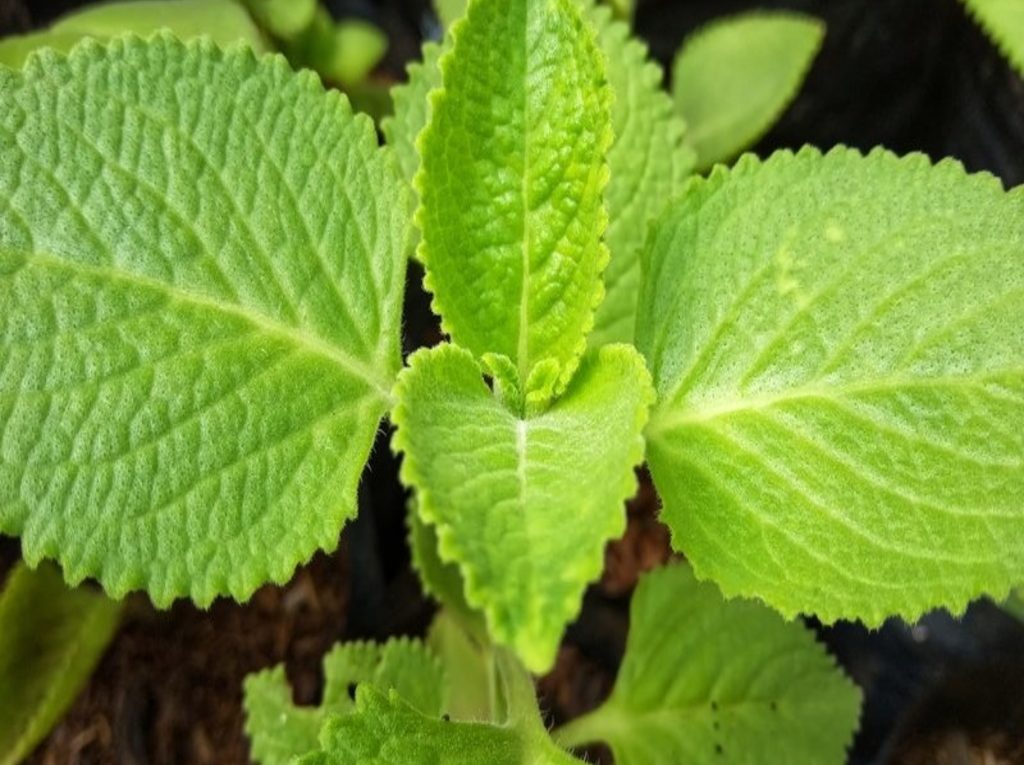
Can You Grow Cuban Oregano From Seeds (Growers Guide)
Can you grow Cuban oregano from seeds, or are you chasing a gardening ghost? Discovering the truth about propagating Coleus amboinicus is the ultimate secret to saving yourself from online seed scams and frustrating crop failures. While standard Mediterranean herbs fill garden center seed racks, true commercial seeds for this tropical, velvety semi-succulent do not exist in genuine horticulture.
Because the plant is notoriously sterile outside of its native tropical biomes, establishing a thriving, punchy harvest relies entirely on mastering vegetative stem cuttings. This comprehensive grower’s guide dismantles the widespread seed myths and delivers the precise soil blueprints, watering intervals, and nursery callusing protocols required to clone this citrus-infused powerhouse successfully.
Variety Selection and Core Differences
Cuban oregano is not a true Mediterranean oregano, but rather a succulent perennial member of the mint family Lamiaceae. Gardeners typically choose between the standard dark green type and ornamental variegated cultivars with white or cream margins.
A common backyard myth claims that planting Cuban oregano near culinary mints will ruin leaf flavor in the current growing season through cross-pollination. Cross-pollination strictly alters future seed genetics, meaning leaf flavor remains completely unaffected during the current vegetative lifecycle.
– Standard green cultivar with thick leaves and maximum carvacrol concentrations for robust cooking
– Variegated cultivar featuring creamy leaf margins and slightly milder essential oil potency
– Broadleaf creeping form with trailing stems suited for hanging baskets or groundcover
Location and Soil Setup
Cuban oregano thrives in warm environments receiving at least six hours of bright, indirect sunlight or dappled afternoon shade. Direct, harsh midday sun can scorch the thick foliage, while excessive shade leads to leggy growth and reduced aromatic oils.
For container culture, growers must strictly avoid native garden loam or heavy topsoil because dense soils choke roots and promote fungal rot. The ideal container medium requires a loose, well-draining soilless mix designed to evacuate standing water rapidly.
In-ground garden beds require a well-aerated sandy loam structure where finished compost or organic amendments never exceed 40 percent of total volume. Maintaining a soil pH between 6.0 and 7.5 guarantees steady micronutrient availability without triggering root burn.
- Container blend consisting of 50 percent coarse perlite, 30 percent coco coir, and 20 percent compost
- In-ground soil ratio maintaining 60 percent native loam blended with 40 percent organic compost
- Minimum container size measuring 10 to 12 inches in diameter with multiple bottom drainage holes
Spacing and Planting Guidelines
Because true seeds are biologically non-existent in the commercial trade, establish plants entirely through vegetative stem cuttings. Take a healthy 4 to 6 inch terminal stem cutting using sanitized shears, cutting directly beneath a mature node.
Gardeners often mistake the fragile nature of the branches for hollow stems. In reality, the stems are thick, solid, and flesh-filled with moisture, causing them to snap easily under physical pressure due to intense internal turgor pressure.
Strip the bottom two inches of foliage, let the cut base callus in the shade for two hours, and root the stem in damp potting mix. Space outdoor specimens 18 to 24 inches apart to ensure ample air circulation and horizontal expansion.
Watering and Nutritional Protocols
The semi-succulent tissues of Cuban oregano store substantial amounts of water, making the plant drought-resilient yet vulnerable to overwatering. Allow the top two inches of soil to dry out completely before applying moisture at the base of the plant.
An effective backyard hack involves bottom-watering container plants to prevent water from lodging in the fuzzy foliage. Damp foliage under humid conditions can quickly attract fungal leaf spot and bacterial blight.
Apply a balanced, organic liquid fertilizer diluted to half strength once every four to six weeks during active growth. Over-fertilization with synthetic nitrogen must be avoided, as excessive nitrogen produces weak, watery foliage with diluted essential oils.
Harvesting and Storage
Harvest individual mature leaves or clip 3-inch stem tips during the cool morning hours after dew has evaporated. Frequent pinching of terminal shoots prevents woody growth and stimulates dense, lateral branching.
Before using or preserving the harvest, thoroughly wash the fresh foliage in cold water and dry the leaves completely using a salad spinner or clean paper towels to eliminate soil-borne bacteria. Never store wet succulent leaves in closed containers, as residual moisture rapidly causes mold growth.
While the succulent leaves do not dry well for spice jars, you can blend clean leaves with olive oil and freeze the paste in ice cube trays for long-term culinary use. Alternatively, store fresh stems in a small glass of water on your kitchen counter for up to two weeks.